
LaHaye’s series “Babylon Rising” has 4 episodes. Each novel has to do with the hero, Michael Murphy, a college professor. Murphy struggles as he is sent by a mysterious rich man calling himself “Methuselah” to find an artifact that proves the Bibles accuracy. Murphy must deal with “The Seven”, an evil group “bent on creating a one-world religion, government, and currency”, and Talon, the man with a knifelike fingernail on one prosthetic finger who carries out the Seven’s plan for a one world order. Books written based on Bible prophecy in 2005.

Nimrod built the tower of Babel in Babylon. Nimrod initiated child sacrifice to their idol called Baal in Babylon. Daniel was put in a lions den in Babylon. The fascination with Babylon in the context of the end of the age, is attributed to several factors that intertwine historical significance. The prophetic interpretations:
1. Historical Significance: Ancient Babylon was a center of civilization, known for its advancements in mathematics, astronomy, and writing. The establishment of the 60-minute hour and the 360-degree circle reflects its profound influence on how we measure time and space. As 2025 arrives, a renewed interest peaks as the one world order group is no longer a conspiracy theory.
Genesis 10:10 “The first centers of his kingdom were Babylon…” Joshua 7:21 “When I saw in the plunder a beautiful robe from Babylonia…I coveted them and took them.” 2 Kings 20:14 “Then Isaiah went to King Hezekiah, “Where did they come from?” The King answered, “From a distant land, they came from Babylon.” Isaiah 46 “With whom will you compare Me or count Me equal? I make known the end from the beginning, from ancient times, what is still to come. ‘My purpose will stand, and I will do all that I please.”

2. Religious Symbolism: Babylon is often referenced in historical texts and also in the Bible. Babylon can symbolize both human ambition and divine judgment. The frequent mentions of Babylon (over 250 times) compared to Jerusalem (811 times) in the Word of God shows us a recurring theme of conflict, morality, and prophecy. Think about current moral decay and the failing nations globally. The ruins of what once was beautiful.
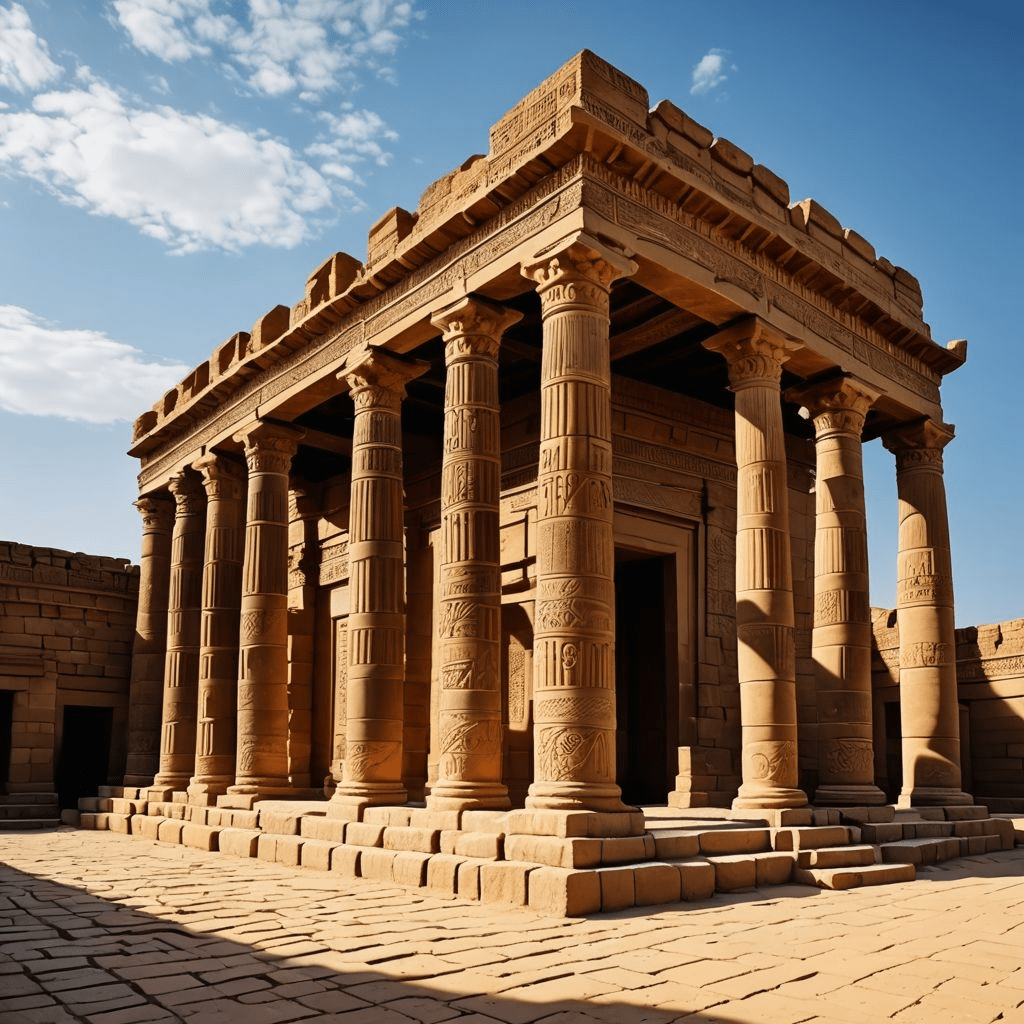
3. Prophetic Interpretations: Dates and political figures are markers for prophetic fulfillments. The year 2025 may resonate with a timeline of events of the Bible. Why did ancient Babylon come to ruin? Scholars and theologians draw connections between historical Babylon, and its role in prophecies. Current global events are signs or warnings for today’s society.
4. Archaeological Digs: The ongoing work in the region where Babylon once thrived has revealed new insights and artifacts, generating interest and dialogue about its culture and impact on modern civilization. The growing tourism and academic interest in Babylon has led to revivals and presentations of its legacy in various formats. Adding relevance about the end times as we know them.

5. Cultural Influence: Babylon’s historical and mythological narratives have permeated various forms of modern media, art, and literature. As we delve deeper into the digital age, the stories of Babylon continue to resurface in films, books, and discussions about civilization’s rise and fall, making it a relevant topic.
Babylon in 2025 intertwines historical, cultural, and prophetic narratives that captivate scholars, theologians, and the general public alike. The legacy of Babylon is the rise and fall of its timeless contributions. Nothing that man makes lasts. Through the lens of eternity, it is important to examine both the past and our current trajectory as a society. The Word of God never has failed its prediction. Are you ready?

Babylon still has 80% of its artifacts remaining underground. The Ministry of Culture, Tourism, and Antiquities has enacted an Iraqi Antiquities and Heritage Law to protect and manage archaeological sites in Iraq. Saddam Hussein, the former president of Iraq, rebuilt Babylon in the 1980s and 1990s:
- Reconstruction: Hussein spent millions of dollars reconstructing Babylon to resemble its appearance during the reign of Nebuchadnezzar in 605 BCE. He raised the walls to 38 ft high, which drew criticism from the archaeological society. He also had stones inscribed with his name, similar to other ancient sites.
- Palace: Hussein built an opulent palace on a hill overlooking the ancient city of Babylon.
- Purpose: Hussein’s reconstruction was intended to legitimize his regime, not to conserve or restore the site. He saw himself as a neo-Nebuchadnezzar and often referred to a Quranic passage that linked the ruler of the Babylonian Empire to the liberation of Palestine.

Babylon has faced many challenges since Hussein’s fall from power in 2003:
- Abandonment: The site has been abandoned and uncared for since Hussein’s fall.
- Damage: Military vehicles damaged the site during the 2003 invasion.
- Encroachment: Illegal construction and encroachment on the site continue to be issues. For example, an oil pipeline runs through the eastern part of the ancient city.
Timothy Francis LaHaye was an American evangelical Christian minister who wrote more than 85 books. Fiction and non-fiction, including the Left Behind series of apocalyptic fiction, which was co-authored with Jerry B. Jenkins, father of Dallas Jenkins of the famed Chosen Series.


 Living Abroad