
God snatched a boy away from all that was familiar for His greater purpose. Andrew made Christian history mostly through his writings. Born in 1828 in South Africa to a missionary father, Murray experienced a challenging childhood marked by cultural clashes and personal struggles. His father’s deep prayer life influenced him, yet he initially wrestled with his own faith. At age 10, Murray was sent to Scotland for education, where he encountered a different world and began to develop a disciplined approach to study and spirituality. Despite his academic success, he felt a yearning for deeper spiritual fulfillment. This longing intensified during his theological training in the Netherlands, where he witnessed revival among students and ultimately surrendered his heart to God with a simple prayer, leading to a transformative spiritual awakening.
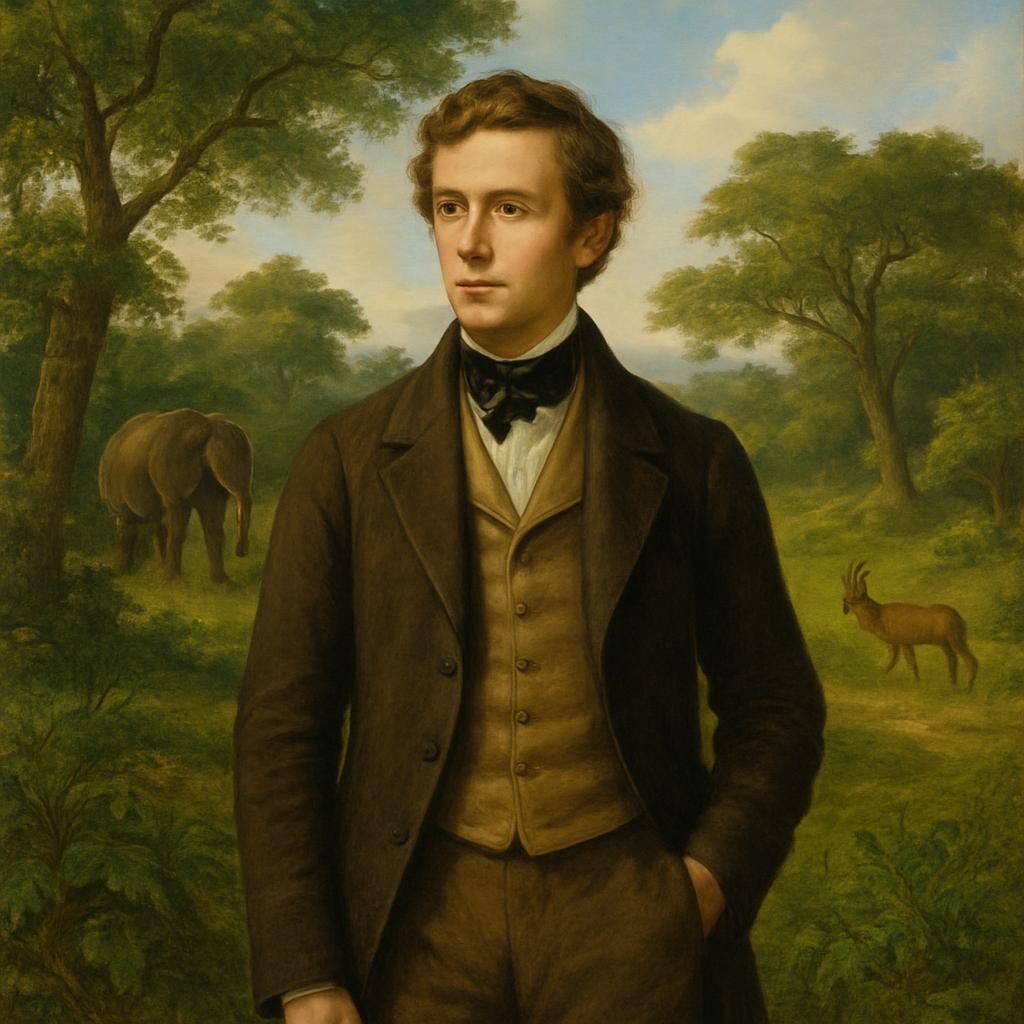
Returning to South Africa as a young minister, Murray faced a harsh frontier life and the struggles of a divided nation. His fervent preaching initially drew mixed reactions, but he sought not just to deliver strong sermons but to connect deeply with God through prayer. He learned that true strength comes through weakness, often finding himself in physical ailments that deepened his reliance on prayer and God’s provision. With ongoing health challenges, he was often too weak to preach, so Andrew captured what the Spirit was saying and wrote volumes.

Murray became a pivotal figure in the revival movement of the 1860s, leading passionate prayer meetings that ignited spiritual fervor across communities. Despite facing criticism and personal hardships, including health challenges that silenced him at times, he turned to writing, producing influential works like “Abide in Christ,” which emphasized living in communion with Christ rather than striving in human strength. His teachings centered on surrender, prayer, humility, and the power of God’s grace in weakness. Murray’s life exemplified the profound impact of a heart fully yielded to God, inspiring countless believers to embrace a deeper relationship with Christ. His legacy continues through his writings and the lessons he imparted about faith, perseverance, and the transformative power of surrender.

“Humility, the Beauty of Holiness” by Andrew Murray, explores the profound significance of humility in the Christian faith, emphasizing its foundational role in the believer’s relationship with God and others. Humility aligns us with our nature as created beings. Humble, fallen sinners return to their rightful place before God. Humility reflects the grace received as saints. It is not merely a response to sin but a natural and joyful state of being that enables believers to recognize God’s greatness and their own dependence on Him. A common misconception about humility is self degradation. But, humility arises from grace. A humble state is essential for authentic worship and fellowship with God. The humility of Jesus serves as the ultimate example. His greatness in the Father’s eyes was His obedience as a servant of all. Believers strive to embody His virtue in all their interactions. Genuine humility is revealed in how one treats others, suggesting that real character is demonstrated in everyday situations, rather than just in moments of devotion. Humility is integral to holiness. Murray warns against the dangers of pride, which can masquerade even in spiritual endeavors, and emphasizes that true holiness is marked by a humble heart. Andrew illustrates this with biblical examples, including how Jesus and the apostles modeled humility, and the dangers of self-exaltation in prayer and worship. Murray concludes that humility is essential for receiving God’s grace and experiencing true joy and fulfillment in the Christian life. Seek a deeper understanding of humility as a pathway to spiritual growth. Our spiritual journey involves recognizing one’s own nothingness before God, allowing Him to fill them with His presence and power.

Andrew Murray’s writings and sermons prominently featured
1. Surrender: Complete surrender to God was his emphasis. True spiritual power and fulfillment come from yielding one’s life fully to Christ, allowing Him to take control.
2. Abiding in Christ: One of his central messages was the concept of abiding in Christ. “Abide in Christ.” A continuous connection to Jesus, the vine, from which believers draw strength and produce spiritual fruit.
3. The Holy Spirit: The role of the Holy Spirit in the life of believers leads to true revival and transformation. Reliance on the Holy Spirit for empowerment, guidance, and sanctification.
4. Prayer: Andrew regarded prayer as vital for a vibrant spiritual life. He taught that prayer should not be merely a duty but a joyful privilege. To communicate with God with expectancy that He hears us and delights in us.
5. Holiness: The call to holiness requires the faithful to pursue a life that reflects Christ’s character. He believed that holiness is essential for effective ministry and a genuine witness to the world.
6. Humility: The beauty of humility is the bowed state of a saint before God.
7. Faith and Trust: Cultivate a strong faith and trust in God’s promises. Trials will come with challenges and our trust in God is foundational to experiencing God’s provision and peace.
8. Revival and Renewal: The theme of revival itself was central to his messages. He called for spiritual awakening within the church, urging believers to seek renewal in their relationship with God and to be vessels for revival. Murray’s influence inspired many to deepen their faith and draw nearer to God.
Andrew Murray played a crucial role in the revival movement of the 1860s, particularly in South Africa. His contributions can be summarized as follows:
1. Leadership in Prayer: Lead with confidence in Christ and attract the disillusioned and lost. Gather together to pray, intercede and worship.
2. Holy Spirit: Rely on the Holy Spirit for the words to speak, for understanding, compassion, and grace.
His sermons during this period were marked by a passionate call for repentance, holiness, and a deeper relationship with Christ. He urged believers to seek not just knowledge but also a personal encounter.
Written Works: Murray authored several influential books during and after the revival, including “Abide in Christ” and “With Christ in the School of Prayer.” These writings articulated the principles of abiding in Christ, the necessity of prayer, and the importance of humility, helping to shape the understanding of revival and spiritual life for many. Murray lived out the principles he preached, demonstrating a life of surrender and reliance on God amidst personal struggles and health challenges. His authenticity inspired others to pursue a life dedicated to Christ.
Andrew’s leadership, teaching, and writings significantly influenced the revival movement of the 1860s, fostering a renewed spiritual fervor in Africa and beyond all borders.


 Living Abroad