“The men who gain heaven’s attention are the ones who give heaven their time.” The goal of prayer is to listen to God and respond in praise. Prayer is a rare delight especially in the glory of the morning. Romans 12:12 to give constant attention to the presence of God, we listen with our spirit in our silence and with words.
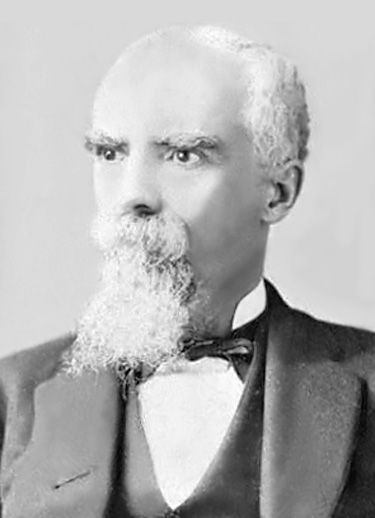
Edward McKendree Bounds (Aug 15, 1835 – Aug 24, 1913) prominently known as E.M. Bounds, was an American author, attorney, and member of the Methodist Episcopal Church South clergy. He is known for writing 11 books, eight of which focused on the subject of prayer. EM known as the man who moved heaven at 4:00 a.m. His prayers changed Franklin, Tennessee. Each morning for 40 years, Edward waited upon God. Heaven’s burden became heavier than his own life. Before EM Bounds moved heaven, heaven broke him. Before he wrote books that awakened generations, life pressed him into a place where the only sound he could make was prayer. Before revival comes the refining fire. EM Bounds was 30 years old when the Civil War ended. It left a nation bleeding from within. Widows wept in half-burnt homes. Soldiers wandered without limbs or hope. By the late 1870s, EM Bounds was known throughout the circuit as the man of prayer. Fame never touched him He refused interviews, declined positions that would have lifted his name. Edward said, “A man cannot both carry a cross and a crown.” God’s promises are precious and worth contemplating.
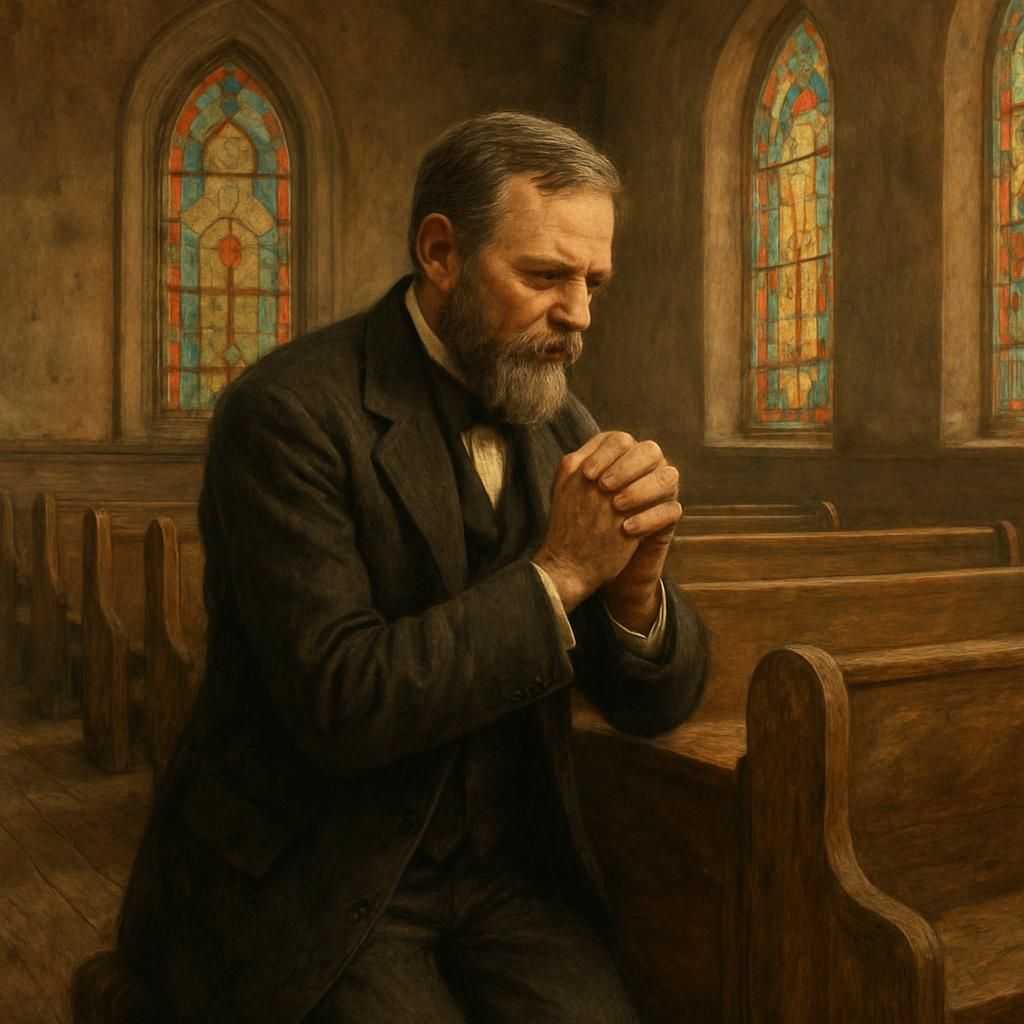
Edward’s schedule never changed for 40 years. Early to bed, rise before 4 a.m. Light a candle. Bible open. Pen in hand with a notebook. He spent the first hour in silence to let his thoughts settle. The second hour reading scripture. He turned verses into dialogue. The third hour interceding with names, nations, and burdens. He emerged glowing as Edward believed what he practiced. God entrusted power only to those who could handle solitude. “To be much with God is to be much alone, he wrote.” After serving in the Civil War, Edward M. Bounds, limped carrying only a small Bible and a heart that would not stop praying. War taught him lessons no seminary ever could. The Civil War took his health, and his friends. Edward was captured twice, starved, and forgotten. The experience gave him unshakable conviction that God hears the cry of the broken. Prayer is born of need. It is the language of the helpless. His own helplessness became holy. The town looked like a graveyard. 10,000 casualties, families divided, bitterness everywhere. The church he was sent to pastor had lost half its members. The rest barely spoke to each other. Edward saw the field of his calling. He believed that God’s glory shines brightest on ashes. He made a silent vow, quiet but serious. Before he ever stood to preach, he would first kneel to pray. Every morning at 4:00 a.m., while darkness still covered the town, he would meet with God.

Without a congregation, choir, sound system, or fame– in silence, Edward whispered the names of his town’s people before a God he could not see. He didn’t begin with eloquence. He began with groaning. He didn’t start with sermons. He started with surrender. Day after day, week after week, he prayed alone. Neighbors thought him eccentric. His prayers began to leak into Sunday. His preaching changed. There was less performance, more power. He spoke softly, but people wept as if thunder had rolled through the room. He would later say, the pulpit of power is built in the closet of prayer. The change was slow, like dawn sneaking through fog. Families who hadn’t spoken since the war began to reconcile. A widow who hadn’t smiled in years lifted her hands and sang again. Yet, revival always costs more than it gives at first.
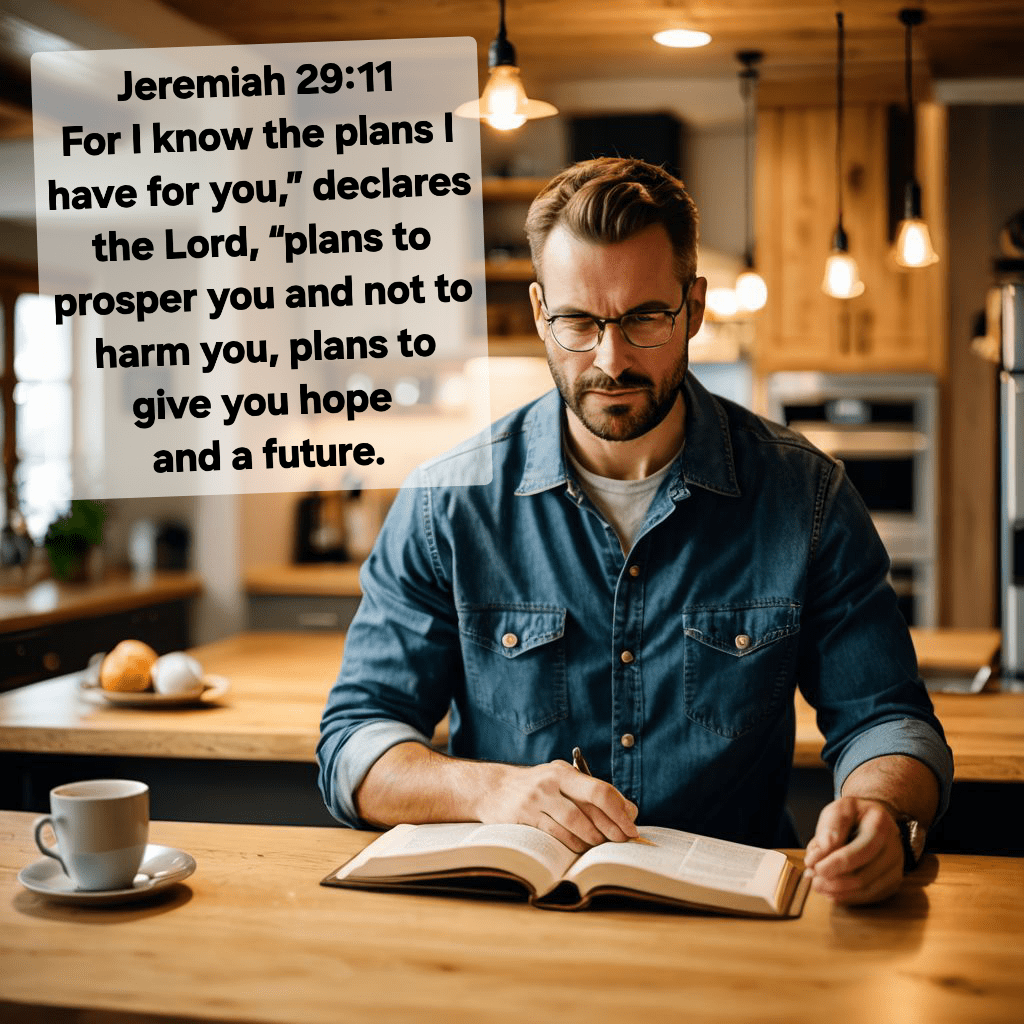
Luke 22:42,46 “Father, if you are willing, take this cup from me; yet not my will, but yours be done.” “Why are you sleeping?” Jesus asked them. “Get up and pray so that you will not fall into temptation.” Pray without ceasing is our Father’s repeated command. Bound’s health continued to fail. His salary often went unpaid. He lived in a rented room behind the church, surviving on biscuits and black coffee. When asked how he endured, he answered, because prayer makes me rich.
Loneliness became his companion. The few friends he trusted often did not understand his intensity. “To be much alone with God is the price of being much for God.” The city streets were still littered with broken wagons and burnt fences. At night, he walked them, crying out for what breaks the heart if God. Every insult became fuel. Every rejection another reason to kneel. Intercession is not a prayer said. It is a life poured out. The intercessor suffers with those they pray for until God lifts them. “Lord, I give you Franklin, Tennessee and he meant it.” After months of prayers the town slowly changed. Bars emptied, prayer meetings filled. Children began to sing in the streets again. No one called it revival. They just said, something’s happening. EM Bounds said nothing, he just kept waking and talking with God before dawn. “The praying man is not the one who talks most of prayer, but the one whose heart is always talking to God.” For EM, prayer was not a duty, but a heartbeat. He once confided to a friend, when I miss a morning with God, I feel the earth heavier. Each whisper laid a foundation for generations he would never meet. EM saw no results, no recognition, only fatigue and silence. He learned that the furnace of intercession is not a place of applause. It is where God burns away every motive but love.
When sickness confined him to bed, he prayed from there. When his voice weakened, he wrote his prayers in a notebook. He refused pity, saying, weakness is the wardrobe of power. And when others asked for revival schedules, he pointed to the clock. 4:00 a.m., he said. That’s where it begins. He saw prayer not as one act among many, but the lifeblood of everything. He said, prayer is not the preparation for the work. It is the work. Each morning was a new labor in love, a hidden partnership with heaven. “Lord, if no one else prays today, I will.” He never meant it arrogantly. He meant it desperately.

Romans 8:35-39 “Who shall separate us from the love of Christ? Shall trouble or hardship or persecution or famine or nakedness or danger or sword?As it is written: For your sake we face death all day long; we are considered as sheep to be slaughtered. No, in all these things we are more than conquerors through him who loved us. For I am convinced that neither death nor life, neither angels nor demons, neither the present nor the future, nor any powers, neither height nor depth, nor anything else in all creation, will be able to separate us from the love of God that is in Christ Jesus our Lord.”

What had begun as one man’s appointment became a town’s awakening.
They knelt beside the same pews where years of bitterness had been stored like dust, and one by one, they began to breathe again. It was not revival posters or music that drew them. It was hunger. When EM Bounds entered the room, no one applauded. They simply continued praying. EM knelt with them, then he would stand, wipe his face, and whisper, now go love your neighbor. That was the sermon. Farmers carried that peace into their fields. Teachers brought it into classrooms. Merchants carried it into the marketplace. The city began to live differently because it had begun to pray differently. There were no headlines, just testimonies. A grocer forgave the debt of a widow who could not pay. A judge wept as he prayed for the families torn apart by war. Soldiers met and embraced on the same streets where they had once fought. The entire town began to unlearn hatred. Prayer had become its language. EM Bounds kept retreating into obscurity. When asked how he had achieved such a revival, he smiled, “I did not change Franklin. Prayer did.” He knew he was a vessel for Holy Spirit power. The fruit of his solitude was visible everywhere. Children who had never known peace began laughing again in the streets. The bitterness that once divided the town melted like frost. When people spoke of Franklin now, they used one word that had not been heard there since the war, mercy. And mercy was the air they breathed. Pastors who had heard of the dawn meetings began unlocking their churches early. They were not organized revivals. They were spiritual rhythms echoing from one man’s obedience. A man cannot both carry a cross and a crown. Tragedy came quietly. In 1876, he had married Emma Elizabeth Barnett, a gentle, lively woman who understood his calling more than anyone else. For a time, the dawns were not lonely. He prayed over each child by name. Every morning before sunrise, before walking to the church, he would stand over their beds, laying a hand on each brow. Lord, he would whisper, make them yours. Sickness came, small fevers that became long nights. Two children were taken before their voices had grown. After 10 years of marriage, Emma grew frail. Bounds prayed as he had prayed for revival, relentless, trusting, but prayer does not always spare. Sometimes it strengthens. When Emma finally slipped away, he sat beside her bed all night, Bible open, unable to read. EM Bounds prayed without ceasing. His writings were published after his death.


 Living Abroad
Pingback: First Place | Living Abroad