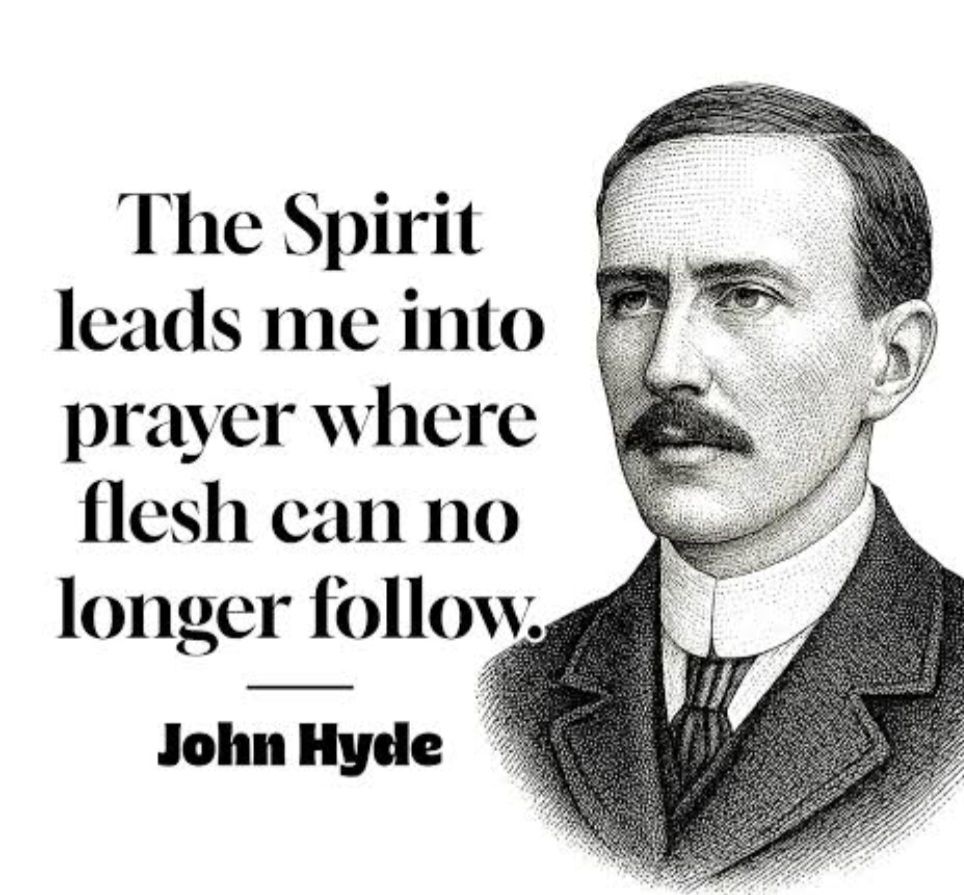
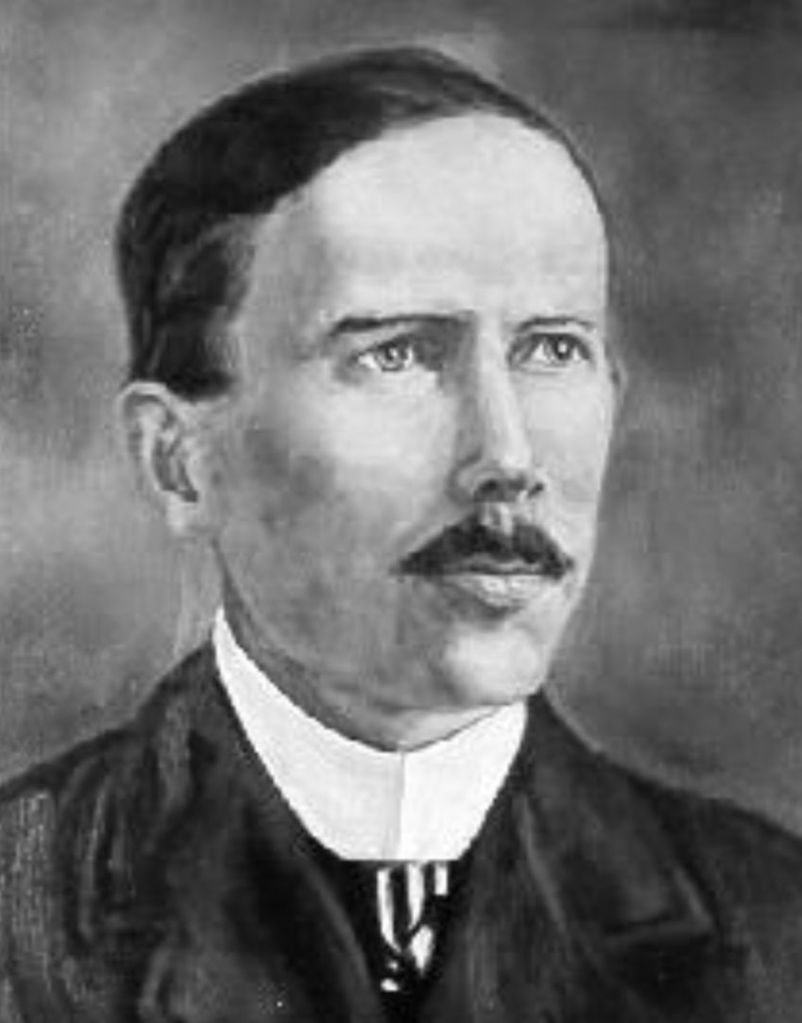
While many preached, John Hyde wept. While some planned campaigns, he fell silent to hear heaven. When the city slept, the light in his room remained lit. John didn’t seek applause and he avoided recognition. He asked for only one thing. “Give me souls, oh God, or I will die.” In 1865, the second son of Pastor William Hyde was born. John Nelson Hyde. His home was simple, but carried the constant sound of prayers. He grew up in this silent and reverent environment and didn’t understand the weight of it, but he felt that the world became different when his father began to pray. In his youth, John entered McCormick Theological Seminary in Chicago.
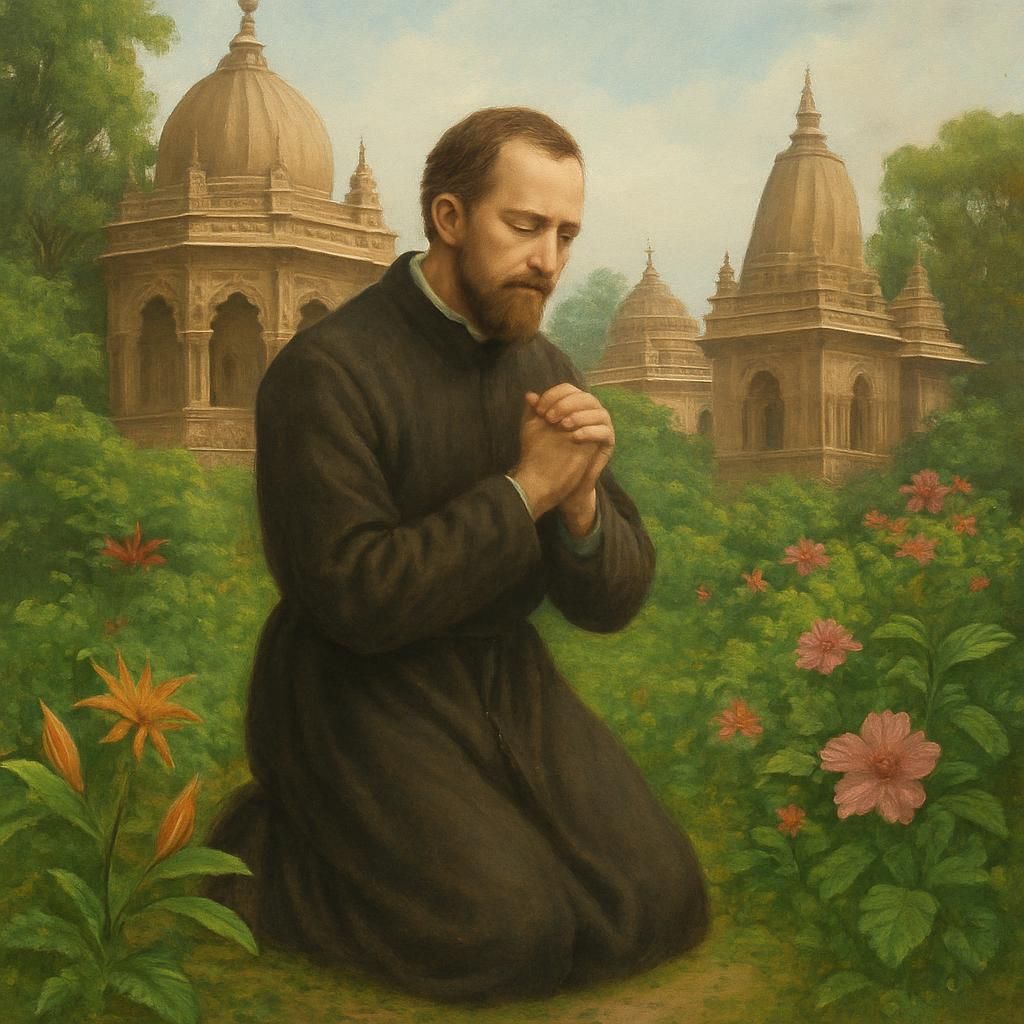
He was a shy young man with a soft voice and deep gaze. His classmates called him Quiet John, the Silent John. He spoke little, read much, and almost always isolated himself after classes. He heard that millions of people in India never heard the name of Christ and died without hope. Those words pierced John like arrows. Lord, he said quietly, if you want to use someone, use me. Take me where your name is unknown. Take me where no one wants to go. His hearing was failing. Not completely, but enough to cause concern. For many, it would have been a sign to retreat. For him, it was an even deeper calling. He wrote to his father, if I cannot hear men well, I will hear God’s voice better. In 1892, John embarked for India. When the ship finally anchored, reality was cruel. The people indifferent to the message he brought. The small churches he found were tired, full of formality, empty of life. John had dreamed of mass conversions found himself before empty pews and distant gazes. John studied the language with effort, but stumbled over the words.
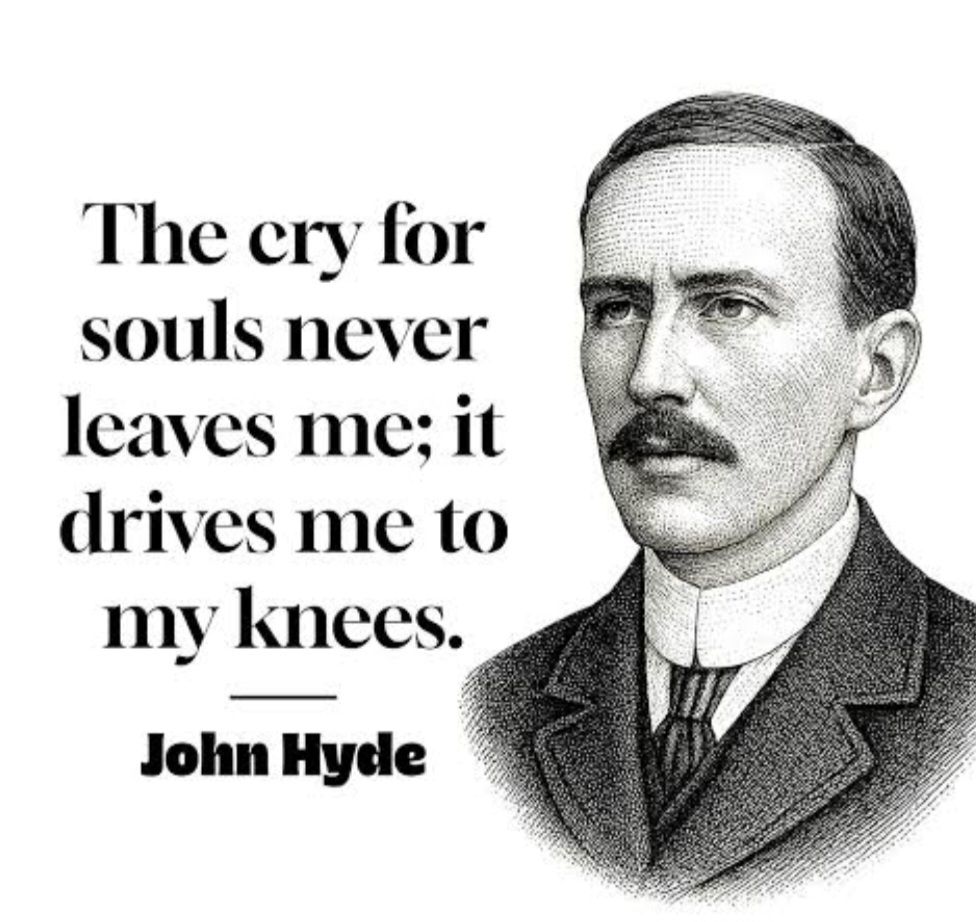
When he climbed to the pulpit, he felt his throat go dry, his mind become confused, his body tremble. On one of those days, he stopped in the middle of the sermon, fell silent, and stepped down from the altar. He spent the rest of the night in prayer, asking forgiveness for his weakness. It was then that something began to change. Slowly, he realized he was trying to do God’s work with his own strength. In that solitude, the spirit began to break his self-confidence. It’s not eloquence that changes hearts, he wrote in the letter to his family, it’s the presence of God. The preaching diminished, and the time of prayer increased. At night, he wrote lists of intercession, bent his knees, and spent hours crying out. The other missionaries found his behavior strange.
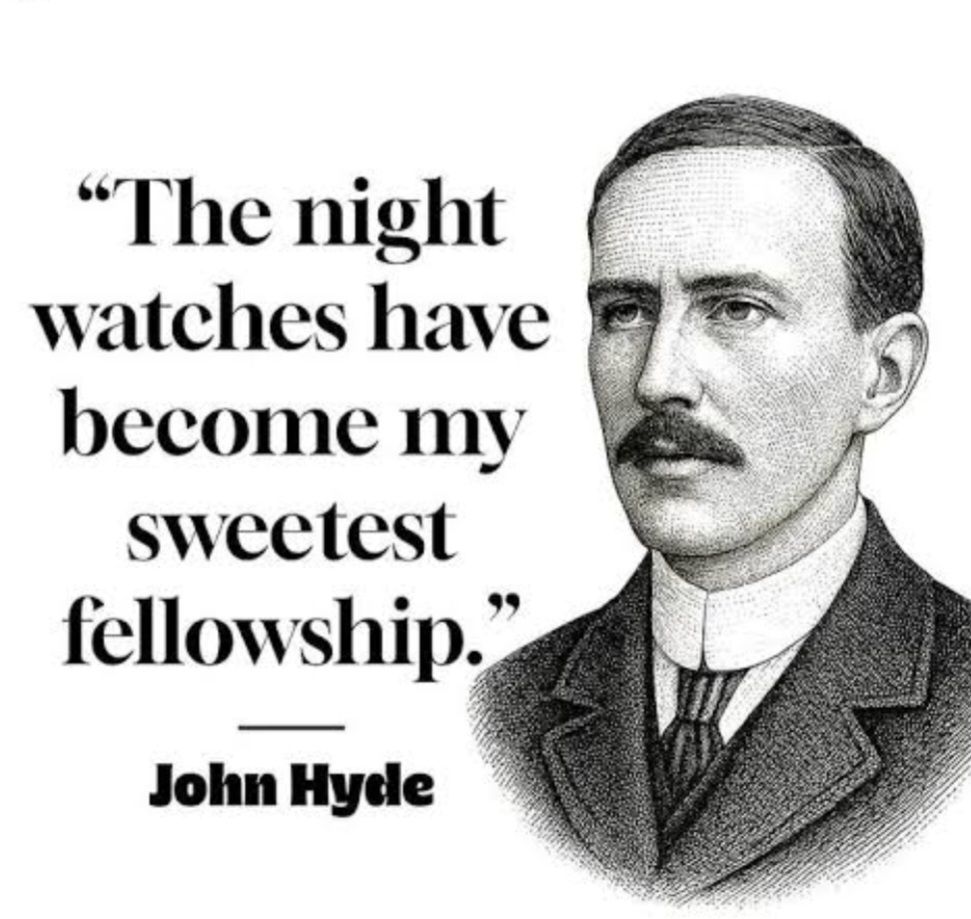
John disappears for days, wrote one of them. When he returns, he seems weaker, but there’s a light in his face I can’t explain. The wooden floor became his pulpit. His words ceased, but the fire grew. The difficulties, loneliness, heat, tropical diseases kept him praying. Young Hindus and Muslim families, British soldiers and farmers, all asked for the silent missionary to pray for them. And mysteriously, lives began to be transformed. John Hyde still didn’t realize it, but God was preparing a revival, not through campaigns or speeches, but through tears. Once he wrote to his mother, I feel incapable of everything except praying. Sometimes it’s as if an invisible hand pushes me to my knees. I don’t understand what God is doing, but I know something is about to happen. While he felt weak, the spirit gave him strength, while he lost his voice, heaven gained sound. In the silence of a forgotten field, an intercessor was being born. The nights in Punjab were long. John Hyde remained on his knees, his body bent, his face hidden in his hands. Exhaustion made him groan, other times the silence was so deep that only the beating of his heart could be heard. He had come to India to preach, but now he could barely speak.
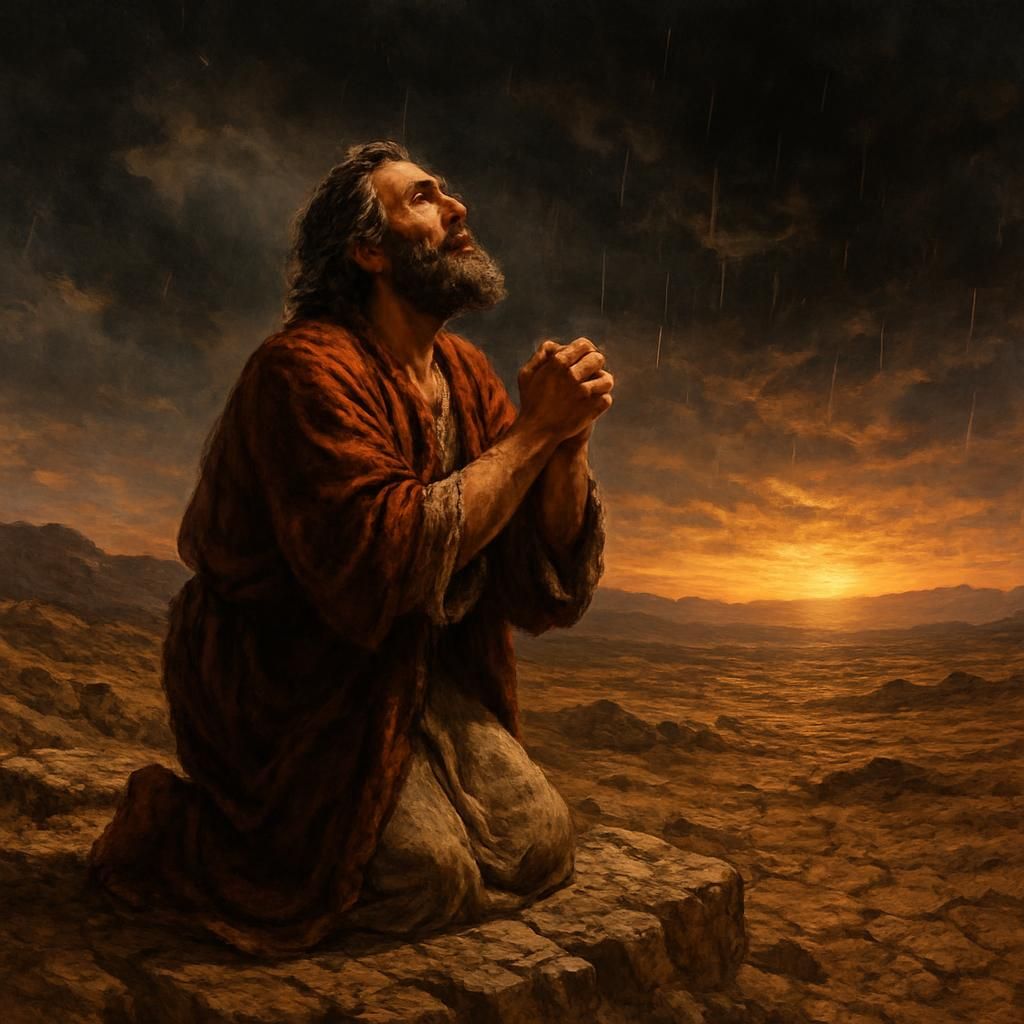
“Nothing flourishes, hearts are stone, an mine is weary. Then came the diseases, tropical fevers left him without strength. His body weakened, his lungs complained, and his face became pale. He began to wonder if he had understood God’s calling. Why did you bring me here, Lord, to silence me? His faith wavered and heaven seemed distant. He prayed and felt no answer. Time passed, his body ached, snd his mind faded. Then suddenly, a gentle sensation, like a sweet weight, rested on his shoulders. He didn’t hear any voice, but he understood. The prayer he was offering transformed into surrender. Lord, if I cannot be a preacher, make me an intercessor. Those words were like a vow. From that instant, everything changed. John Hyde’s ministry ceased to be visible. He no longer preached, no longer organized services, he prayed, the floor his altar.
He barely ate, slept little, and he became fragile, but his spirit burned.
Neighbors began to notice noises coming from his room, groans, murmurs, and pleas. A missionary wrote, it was like hearing a man wrestling with the invisible. He was wrestling for souls he didn’t yet know, for villages he would never visit, for a revival that only existed in faith. A notebook began to fill with names, people he encountered on the roads, curious young people, entire families. He prayed for each one and wept. Then he crossed out that name with a line. Answered, he noted a mocking man was the first to surrender to Christ. Days later, an entire family sought baptism. John Hyde then began a secret covenant with God. He called it my prayer commitment. In the first year, he asked the Lord to grant him at least one conversion per day. The following year, two, then four. It wasn’t ambition, it was faith. Each soul was a victory from heaven for him, each conversion a sign that God was still moving.
Lord, give me souls or I will die. The phrase became his breathing, but the price was high. Hyde’s body began to give way. His face thinned, his sunken eyes reflected a strange brightness, a mixture of weariness and peace. When his body failed, his soul seemed to reignite. There was something in him that didn’t come from earth. News began to circulate among missionaries. They called him the man who lives on his knees. Others, the one who wrestles with God. But he didn’t accept titles. Don’t write about me, he said, write about what God is doing. As time passed, his prayer gained a new tone. It was no longer just petition, it was passionate intercession, mixed with worship and surrender. Sometimes he just said Jesus for hours. An atmosphere of expectation hovered over the region. In the midst of all this, John quietly continued to pray in the same room, alone. Fevers came and went. He prayed until his strength abandoned him. John Hyde didn’t realize it, but his tears were carving an invisible path. People began to seek him out, asking for prayer, not out of curiosity, but out of desperation, the sick, divided families, anguished young people. He received them one by one, like someone carrying a flame, and knowing they need to protect it from the wind. Men who had never wept knelt down. Women prayed aloud without shame. There was no music, no long speeches, there were tears. Something is happening in Punjab, the Spirit of God was uniting a nation.

At the center of this silent move was that thin man with gentle speech, who many considered too weak for the mission field.


 Living Abroad