
The scroll that was penned over 700 years before Jesus was born. God gave us an advance portrait of His plan of redemption. “Who has believed our report? A haunting question. “To whom has the arm of the Lord been revealed?” The opening words of Isaiah 53 assume resistance before God’s message is even heard. Why? God already knew that many hearts will turn away from what He is about to reveal. The arm of the Lord is the symbol of divine power and that God’s power will appear in a form most people do not recognize. People expect power to look like absolute dominance, fame, or triumph. But God, His power showed up in quietness, weakness, and humility. This is why Isaiah’s report will sound unbelievable to a world trained to equate strength with spectacle.
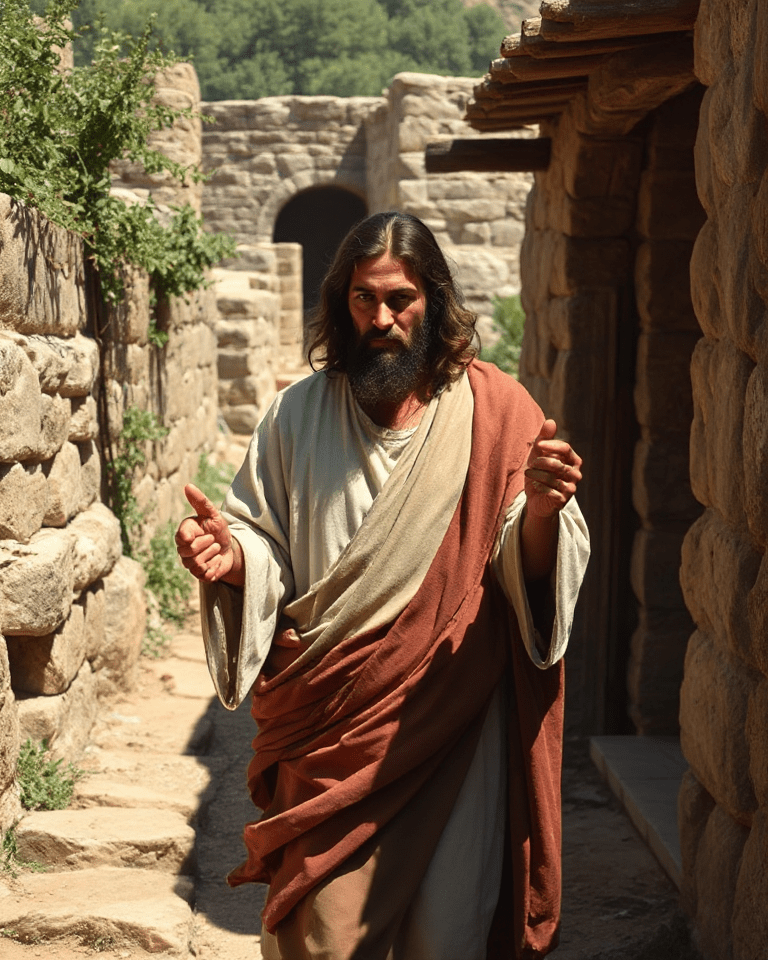
The Messiah, as Isaiah wrote, would rise like a tender plant, a root rising out of dry ground. This image of God’s life giving power appearing in a fashion no one expected. They scratched their heads as it was NOT a giant cedar in a royal garden, but a fragile shoot pushing through cracked soil. The Savior will NOT emerge from a throne room surrounded by wealth. The awaited Messiah will come from obscurity, from a place mocked by most. From a small village without significance. Isaiah’s prophecy reveals a Messiah who redeems through suffering and sacrifice, defying expectations of power and dominance. Isaiah’s portrait was presented while the Temple court was full of songs, sacrifices, and sacred festivals, and yet, many hearts had drifted far from the Lord. The fractured faith of God’s favored people was practiced like a routine, not at all like a treasured covenant with Almighty God.
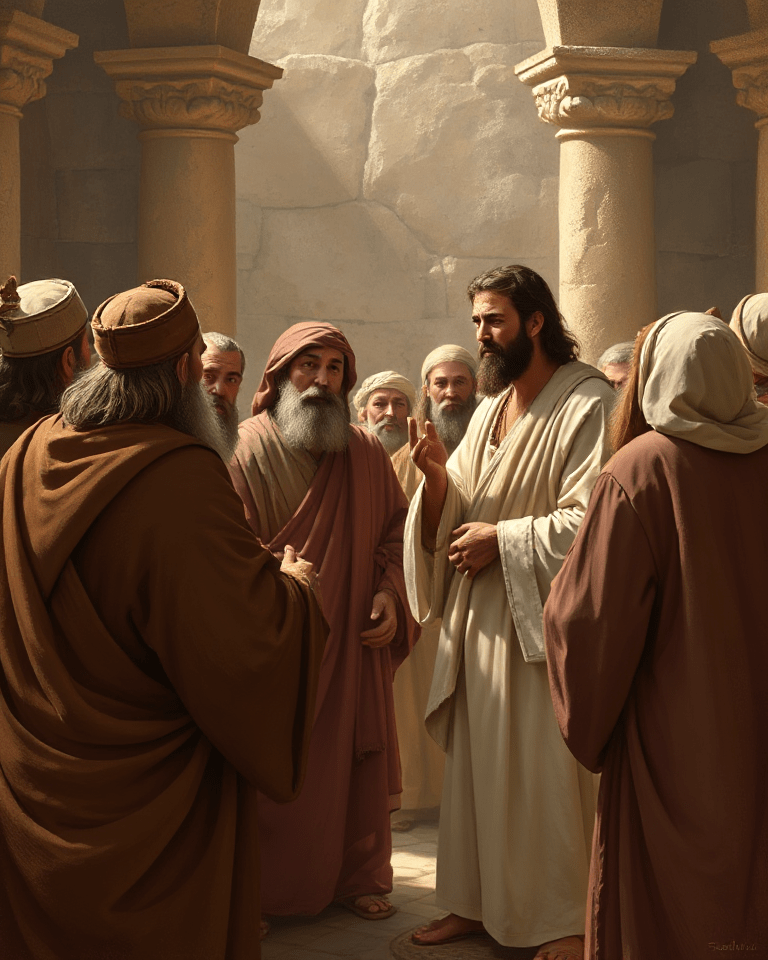
During this loud religious atmosphere, Isaiah’s voice cut through with warning! Judgment is ever real and it is now, before death. Isaiah was chosen to open hearts to a future time. The Messiah would humbly appear in a Way that confounds the wise. The people expected a jeweled throne, a triumphant parade, a sword raised by the Deliverer to defeat nations. Instead, Isaiah wrote about Truth. An accurate picture of the World Saviour known as a Man of grief, a humble, rejected man who was acquainted with pain, who carried wounds that did not belong to Him. A revelation not meant to satisfy a soul’s curiosity. The word given to correct the image of the Messiah. God was preparing His rescue, but not through a spectaular conquest.

Jesus Christ, the Son of God would redeem His people through suffering that spoke louder than power. Isaiah 53 stands out among ancient writings because it refuses to begin with conquest. Surrounding cultures celebrated heroes who gained glory by crushing enemies, but this chapter of Isaiah introduces the Servant whose mission moves in the opposite direction. There is no promise of military victory, no blueprint for political liberation, and no invitation to trust in human strength. The suffering Servant arrives without banners as He absorbs violence rather than inflicting it.
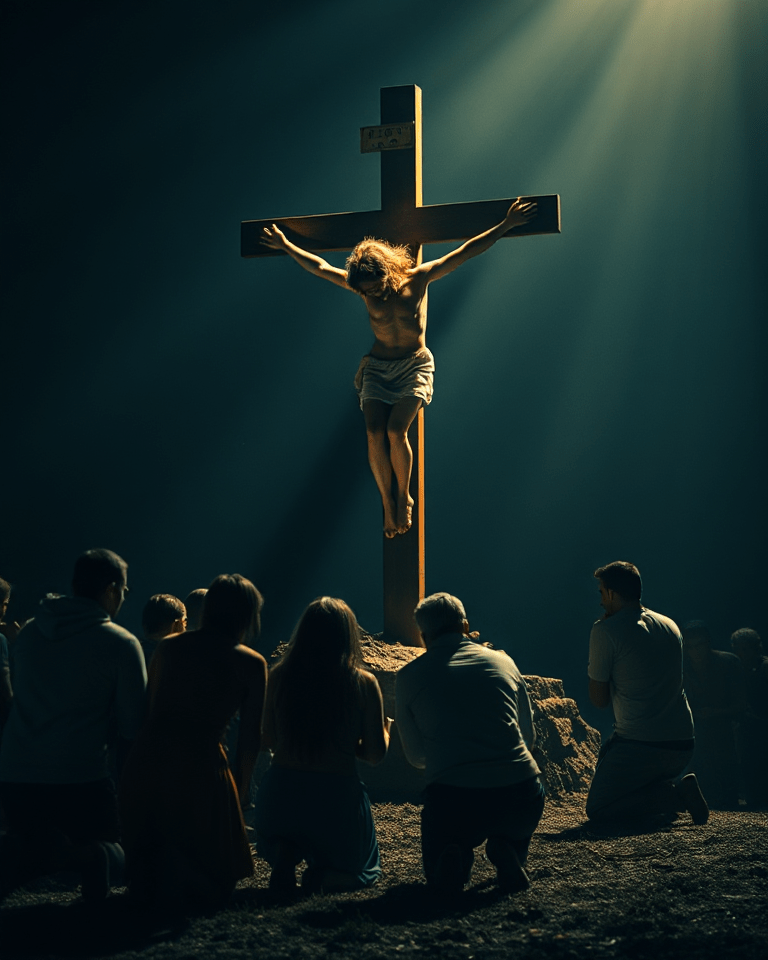
His humble way brought ridicule as He is despised, misunderstood, and treated as though God himself had rejected Him. The Way, the Truth, and the Life insists that His apparent defeat is purposeful, guided by divine intention rather than tragic accident. The mystery Isaiah could not fully see, but faithfully recorded is that the Servant saves by taking our place. He bears our sickness, carries our sorrows, and receives the punishment that should fall on the guilty, so that the guilty might be counted righteous. Like a lamb led silently to slaughter, the Messiah does not defend Himself because His suffering is the payment for restoration and peace. In a world that expects God to prove Himself through domination, Isaiah 53 whispers a deeper truth. God’s love chose a perfect Sacrifice, delivered up on the cross. God’s Grace was given to all through the ultimate sacrifice to purge our sins, to reconcile us to a Holy God. Isaiah 53 invites every broken heart to trust God’s saving Way today, January 25, 2026.
Isaiah’s prophecy reveals a Messiah as a suffering Servant who confronts illusions, invites repentance, and embodies God’s deepest love through broken pride and received grace. The early years of Jesus were not wrapped in comfort or applause. He lived in a poor village as He labored under the steady pressures of poverty.
Isaiah penned the Father’s point. “He had no beauty or majesty to attract us to Him.” The Messiah would not match the world’s standard of beauty with an impressive appearance. The Savior would not win crowds by His looks, status, or charisma. He did not arrive to entertain, but to give hope to the oppressed. His lifestyle confronted human pride because it offered no outward reason for admiration. The prophet wrote words that caused painful introspection. “He was despised and rejected by men, a man of sorrows, acquainted with grief.” Mankind often rejects what appears to be failure. Jesus did not fit what people wanted God to be. He was not dressed in purple, nor did His parents come from wealth. Those who studied God’s Word expected a ruler who would elevate their ambitions, not a servant who would expose their sin and call them to surrender. Many still prefer a Jesus who supports their agenda, who will bless their preferences, and ask for no change from them. People seek relief from oppression from a savior who is useful, not holy, affirming, not transforming. The words of Isaiah 53 does not give us a convenient Christ. God shows us the real Messiah, through this prophecy. A suffering Servant who confronts our illusions, invites repentance, and proves that God’s love is deepest where pride is broken and grace is finally received. The prophet paints a scene that reveals holiness so weighty that it leaves no room for casual faith. Words that cause knees to buckle in worship. “Surely He has borne our griefs and carried our sorrows.” The suffering of God’s substitute sacrifice, is a willing Servant who was born to die for the sick, the haters, the lost, the confused. His death was not about His own pain, it was God’s will and purpose. His redemption plan. Jesus does NOT stand at a distance from human brokenness, offering advice and safety. Jesus steps into our ache. He lifted up what crushes us. Our grief, our sorrows that we hide behind smiles, He knows. Jesus carries what we have been unable to carry, and He does it willingly. Isaiah 53 is an honest account of how people interpret suffering when they see it with human eyes. “Yet we considered Him stricken by God.” To the watching crowd, the cross looked like proof of divine rejection, as if Jesus must be receiving punishment for His own wrongdoing. That false assumption still whispers today.
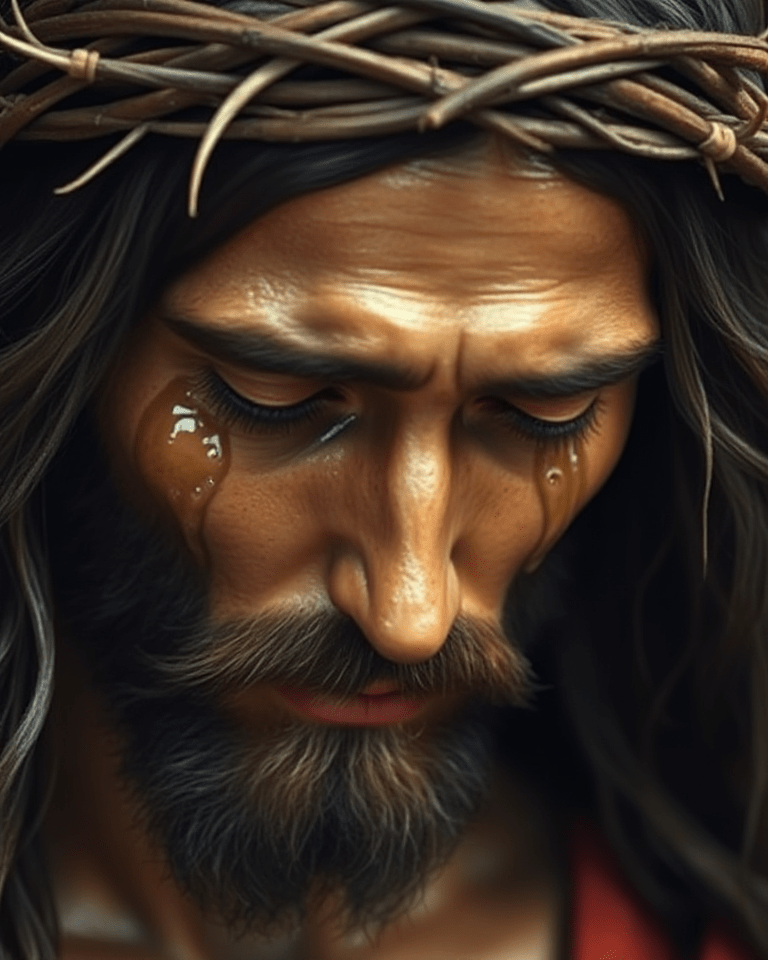
If someone suffers, they must deserve it. If someone is rejected, they must be guilty. Isaiah breaks that logic open and corrects the lie with a line that turns the world upside down. Jesus was brutally beaten and pierced for our pride, our envy, our stubbornness, our transgressions. He was crushed for our iniquities. His wounds were not evidence of His sin, they were the cost of all the collected sins of humanity. The blows did not land on Jesus because He had earned them, the torture landed on Him instead of God’s beloved who deserved them. Every sin you ever committed, whether public or private, whether loud or secret, was gathered and placed upon Him. Your guilt, your shame, your regret, the hidden failures that may still haunt your memory, no sin was ignored or minimized. It was accounted for, weighed, and transferred to Jesus. Willingly, the Lamb of God came to take away the sins of the world. The great exchange of justice for a Holy God required the perfect sacrifice. Jesus died once and for all, as the cross covered the deep gap between our depravity and righteousness before God. Let us humble ourselves and pray for mercy as we give thanks for our Savior’s willing sacrifice. Lord, thank You for your loving sacrifice to redeem me and send the Holy Spirit to help me understand all that You made possible for me.
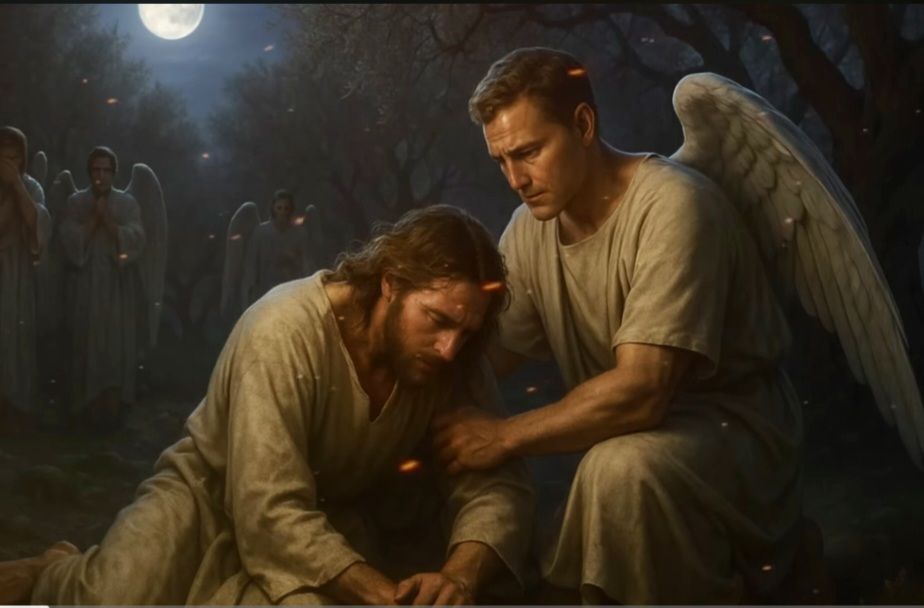
Angels announced to Mary she would give birth to the Messiah. Angels told Joseph that Mary was chosen. Angels announced the birth of the King of kings.


 Living Abroad
Pingback: Simon and Garfunkel | Living Abroad