
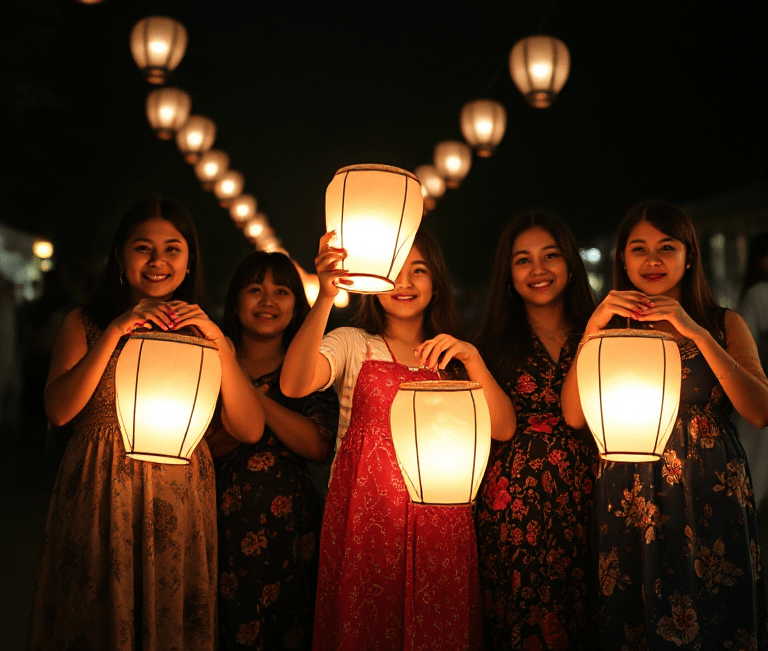
The Parable of the Ten Virgins, found in Matthew 25:1-13, is a story told by Jesus that illustrates the importance of being prepared for the Kingdom of Heaven. In the parable, ten virgins take their lamps and go out to meet the bridegroom. Five of them are wise and bring extra oil for their lamps, while the other five are foolish and do not bring any extra oil. When the Bridegroom arrives, the 5 foolish virgins are unable to join the wedding feast because their lamps have gone out for lack of oil. Oil represents the anointing of the Holy Spirit. God took king Saul’s anointing away because he was foolish. The meaning of the 10 Virgin parable is deeper than mankind’s full comprehension of it’s urgent message of warning. Are you personally ready?
Jeremiah 17:9 (ESV): “The heart is deceitful above all things, and desperately sick; who can understand it? This verse emphasizes the truth about our hidden motives. Our propensity is to lie to ourselves about our own purity of heart. Our desires can be misleading. We are warned do NOT be deceived. We are cautioned to trust in God, and not lean on our own biased understanding.
1. Prepare to meet God. Be Ready at all times: The story emphasizes the necessity of being spiritually prepared for the return of Jesus. The 5 wise virgins are ready and have made provisions, representing those who are vigilant and maintain their faith, while the 5 foolish virgins neglected to prepare, symbolizing those who take their faith lightly or are unprepared.
2. The Nature of Wisdom: Wisdom from God comes through asking and listening to what the Spirit of God is saying. In relationship with the oil, the Holy Spirit, He gives foresight to plan. The 5 wise virgins took the time to carry extra oil. Extra time in relationship with the Spirit of God. This indicates that Godly wisdom is not just about knowledge but also about application with given foresight of Who is coming that we watch with eager expectation.
3. The Suddenness of Christ’s Return: This parable warns of the unexpected nature of the return of Jesus. The 5 foolish virgins miss their opportunity to enter the wedding feast because they were NOT ready when the moment arrived. This suggests that believers should live in a state of readiness and watchfulness.
4. Access to the Kingdom: The fact that the 5 foolish virgins are denied entry to the wedding feast conveys a sobering TRUTH about the consequences of being unprepared. The road is wide that leads to destruction. The narrow gate emphasizes the seriousness of having an ongoing relationship with the Holy Spirit within. Our soul’s condition requires daily nurturing.
5. The Community Aspect: The 10 virgins represent the Church, the community of believers. Jesus rebukes 6 churches out of 7 in Revelation 3 and 4. The actions of the 5 wise and 5 foolish virgins serve as a warning to the Church, the collective Body of Christ. The parable points to the need for accountability and encouragement within the faith community.
In summary, the 50% who “get it right” underscores the critical message that not all who claim to follow Christ will be prepared for His return. The parable serves to encourage vigilance, preparation, and a genuine relationship with God, reminding believers of the corporate responsibility to keep an abundant supply of oil which come by His Way, praying without ceasing and keeping watch that temptation does not ensnare. Confess your sins to one another that you may be purified and holy, as Hod is holy. James 5:16 applied.
Meaning with Purpose:
1. Prepare: The parable emphasizes the importance of being prepared for the coming of the Lord. The 5 wise virgins represent those who are spiritually vigilant and ready for eternity.
2. Judgment: The division between the 5 wise and the 5 foolish virgins highlights that not everyone will be ready when Christ returns. This serves as a warning that spiritual readiness is vital, and each individual is ACCOUNTABLE for their own PREPARATIONS.
3. The Kingdom of Heaven is holy. Believers are to live with the expectation of Christ’s return, continually nurturing their faith and relationship with God.
4. Personal Responsibility: The fact that the 5 foolish virgins cannot buy oil from the 5 wise ones indicates that spiritual readiness cannot be bought, transferred or borrowed. Each person must cultivate their own relationship with God through the Holy Spirit.
5. Call to Action: The parable encourages listeners to take the call to vigilance seriously, urging them to actively engage in their faith and live a life that reflects readiness for the ultimate fulfillment of God’s promises.
The oil of the Ten Virgins has various interpretations, often symbolizing essential qualities or aspects of a believer’s walk.
1. Faith: The oil can symbolize genuine faith in Jesus Christ, which is necessary for true spiritual readiness. The Word asks: “Will Jesus find faith on earth when He returns?” Just as the virgins needed oil for their lamps to shine, believers need authentic faith to illuminate their lives and guide them in their relationship with God.
2. The Holy Spirit: Many theologians interpret the oil as representing the presence and work of the Holy Spirit in a believer’s life. The Holy Spirit empowers, guides, and equips individuals for living out their faith. He is our promised HELPER, ever available to help us to remain vigilant as we personally prepare for Christ’s return. Oh, Lord reveal any wicked way in me that does not honor Jesus.
3. My spiritual readiness: The oil can represent spiritual preparedness or the spiritual habits that sustain a believer’s relationship with God, such as prayer, study of Scripture, worship, and fellowship. These daily practices help believers stay spiritually alert and rightly nourished by God’s Word.
4. Good Works and Righteousness: Oil can also symbolize the good works or righteous actions that stem from a genuine relationship with God. Jesus taught that actions reflect the condition of the heart. He looks at our heart, not our outward appearance of holiness. Check your own fruits.
5. Personal Responsibility and Commitment: In the context of the parable, the oil represents the personal spiritual resources and commitment. We cannot rely on others for oil. The 5 foolish virgin’s lack of oil signifies the necessity of individual responsibility in maintaining one’s relationship with God.
Overall, the oil serves as a symbol of what is necessary for believers to be prepared and ready for Christ’s return, emphasizing the importance of personal faith, the work of the Holy Spirit, and ongoing FAITH.
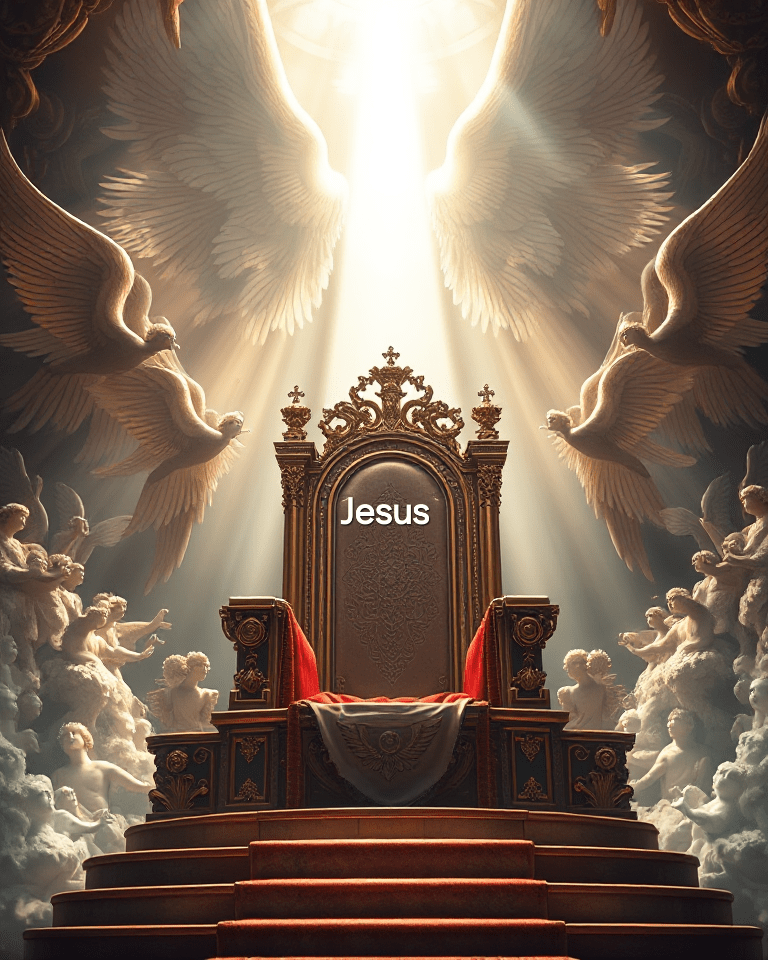
The search for faith. Luke 18:8.
1. Hebrews 11:1 “Now faith is the assurance of things hoped for, the conviction of things not seen.”
2. Matthew 7:7 “Ask, and it will be given to you; seek, and you will find; knock, and it will be opened to you.”
3. Romans 10:17 “So faith comes from hearing, and hearing through the word of Christ.”
4. James 1:5 “If any of you lacks wisdom, let him ask of God, who gives generously to all without reproach, and it will be given to him.”
5. John 14:13-14 “Whatever you ask in My name, this I will do, that the Father may be glorified in the Son. If you ask Me anything in My name, I will do it.”
6. Luke 18:8 “Nevertheless, when the Son of Man comes, will He find faith on earth?”
7. Philippians 4:19 “My God will supply every need of yours according to His riches in glory in Christ Jesus.”
The Word of God repeats itself to emphasize that FAITH is a journey and a GIFT. Build up your most holy faith. Seek, ask, and remain teachable.
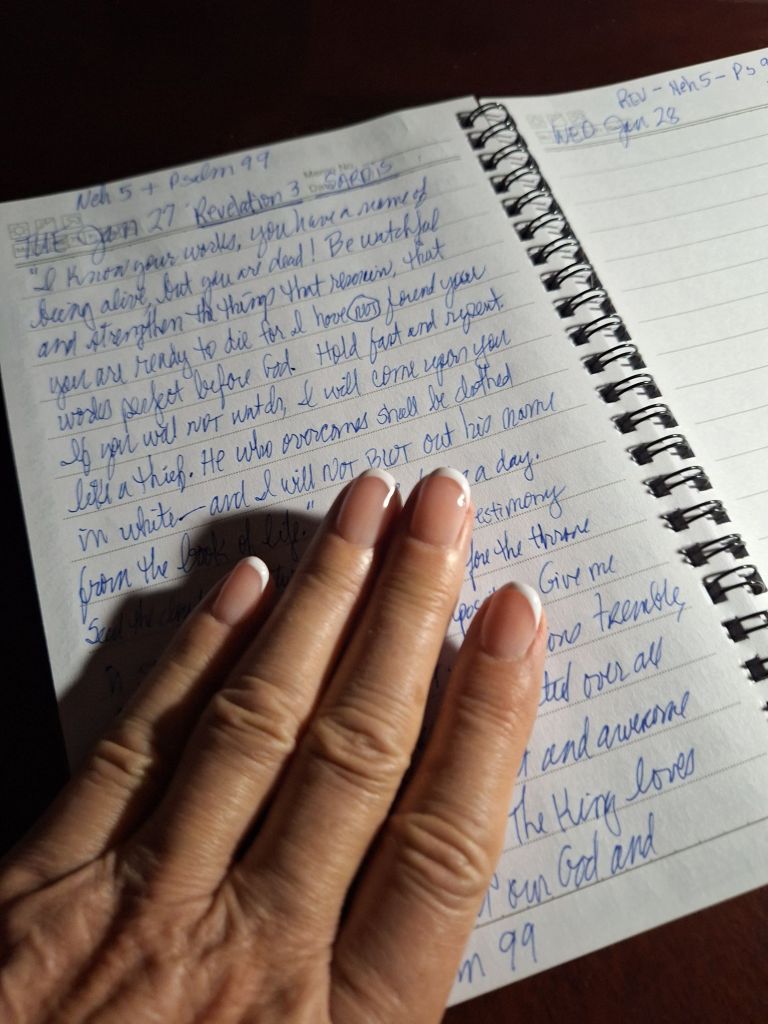
Building up your faith is a vital aspect of the spiritual journey. Jude 1:20.
1. It is important to keep the faith by hanging out with other believers.
2. 2 Peter 1:5-7 “For this very reason, make every effort to supplement your FAITH with virtue, and virtue with knowledge, and knowledge with self-control, and self-control with steadfastness, and steadfastness with godliness, and godliness with brotherly affection, and brotherly affection with love.”
3. Philippians 4:13 “I can do all things through Him who strengthens me.”
4. James 1:2-4 “Count it all joy, my brothers, when you meet trials of various kinds, for you know that the testing of your faith produces steadfastness.”
6. Jude 1:20 “But you, beloved, building yourselves up in your most holy faith and praying in the Holy Spirit.”
7. Mark 9:24 “Immediately the father of the child cried out and said, ‘I believe; help my unbelief!'”
8. 1 Thessalonians 5:11 “Therefore encourage one another and build one another up, just as you are doing.”


 Living Abroad