
George Whitefield’s life is a powerful testament to transformation and divine calling. Born on December 16, 1714, in a poor inn in Blaster, England, he faced early hardships, including the death of his father and struggles with poverty and ridicule for his appearance. Despite these challenges, Whitefield exhibited a restless spirit and a desire for something greater, eventually leading him to Oxford University.

At Oxford, he joined the Holy Club, where he met John and Charles Wesley, which deepened his spiritual longing. George read the book “The Life of God in the Soul of Man” by Henry Scougal. In this book, Scougal emphasized that true religion is about a personal union with God rather than merely outward works. This revelation pierced Whitefield’s heart, leading him to cry out for mercy and understand the Gospel in a personal way. It was during this period of deep spiritual longing that he experienced his conversion, declaring, “I was born again of God,” which ignited his passion to preach and share the message of salvation with others. As George fasted and cried out for a deeper, personal relationship with God, our Father ignited a passion to preach the Gospel and share the message of Christ crucified. Ordained as a deacon in 1736, Whitefield’s preaching style was authentic as he was set on fire by the Holy Spirit. Crowds respinded to his emotional intensity and vivid imagination. God drew an audience for a call for repentance. The necessity of truly being born again was made very clear.

His sermons drew massive crowds across England and America, leading to the Great Awakening, a significant religious revival that transformed communities. Despite facing fierce opposition from a jealous clergy that viewed his methods as overly emotional, Whitefield pressed on, famously stating, “The more the world is against me, the more ready I am to give myself up to God.” Regardless of man’s opinion, George preached the Gospel. The flame of his anointed words transcended geographical boundaries. He traveled extensively and eventually founded an orphanage in Georgia.

Whitefield’s ministry emphasized the urgent need for personal conversion, and he preached to diverse audiences, including enslaved Africans, advocating for the idea that the Gospel is for all. His life was marked by tireless effort, as he crossed the Atlantic 13 times, enduring physical challenges while remaining steadfast in his mission. As he aged, Whitefield’s health declined, yet his zeal and commitment never failed. He continued to preach until his last days, emphasizing the message of being born again. He joined Jesus on September 30, 1770, leaving a legacy of revival and a life devoted to glorifying Christ over personal fame.
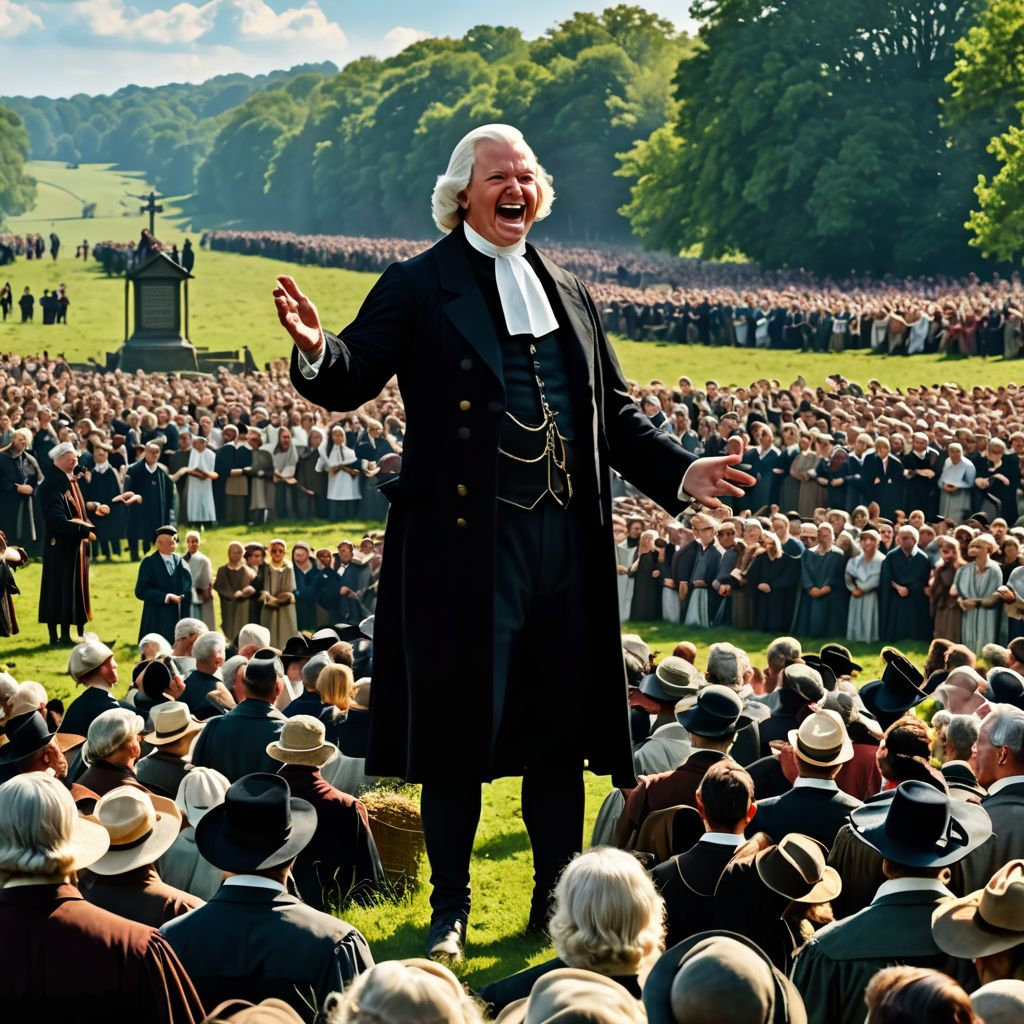
Whitefield’s story teaches valuable lessons on urgency in sharing the Gospel, dependence on the Holy Spirit, humility in ministry, perseverance through trials, and maintaining an eternal perspective. His life exemplifies how God can use ordinary individuals to impact the world, urging contemporary believers to rise with courage and passion in their own generation.
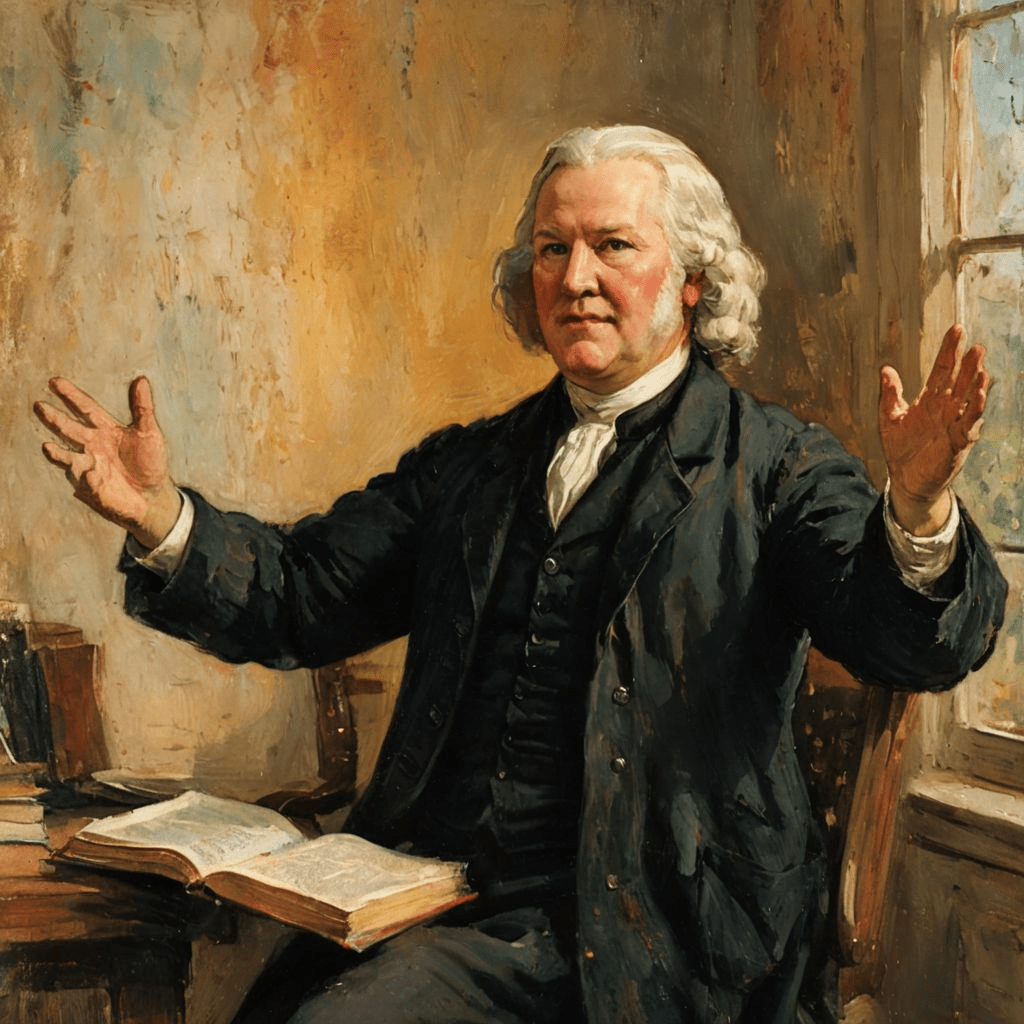
George Whitefield was reported to have preached over 18,000 sermons. He traveled far and wide on horseback to spread the good news. His written sermons lack the power that they carried through his passionate vocal delivery. His voice was known to carry as far as a mile away. God used this man mightily, and his book of 63 sermons still transforms lives just as they did in the 1700s. We can all have an eternal impact if we follow God’s plan for us.

George was an Anglican preacher and a key figure in the Evangelical Revival and the Great Awakening in Britain and the American colonies. He was known for several significant contributions:
- Preaching Style: Whitefield’s dynamic and emotional preaching style attracted large crowds. He was known for his powerful oratory and ability to engage audiences. He spoke outdoors to thousands who came to hear him.
- Evangelical Revival: Alongside John Wesley, despite their differences in theology, George emphasized the need for a heartfelt relationship with Jesus Christ.
- Transatlantic Influence: Whitefield traveled extensively between Britain and America, preaching in various locations and becoming one of the first celebrities of the American colonies. His tours helped to unify various colonial communities and denominations.

Whitefield played a role in the establishment of the Bethesda Orphanage in Savannah, Georgia, reflecting his commitment to social justice and caring for the underprivileged. His efforts contributed significantly to religious revivals in both Britain and America and helped shape the development of evangelical Christianity. He is one of the most influential preachers of his time.

“The Life of God in the Soul of Man” by Henry Scougal explores the relationship between the soul and God. Scougal points to a genuine spirituality, not outward practices or rituals, but a quest centered on an internal union with God. He emphasized the critical importance of the heart’s transformation and the necessity of being born again to experience this divine connection. Scougal outlines the qualities of a true Christian. A person who loves, who is humble, and who longs for holiness. The presence of God in the soul brings joy, peace, and a profound sense of purpose. The book encourages readers to seek a deep, personal relationship with God, highlighting that this inner life is essential for true fulfillment and spiritual vitality. Scougal’s book was the call to George to pursue an authentic experience of the Holy Spirit life within us.

The sermons of George Whitefield reveal not only his unquenchable zeal for the gospel of Jesus Christ but also his renowned passion and gift for drama that mesmerized audiences on two continents. George summoned all to receive Christ and invited all into the arms of the savior.
Sermons and books
Thankfulness for Mercies
What Think Ye of Christ?
Wise and Foolish Virgins
The Care of the Soul
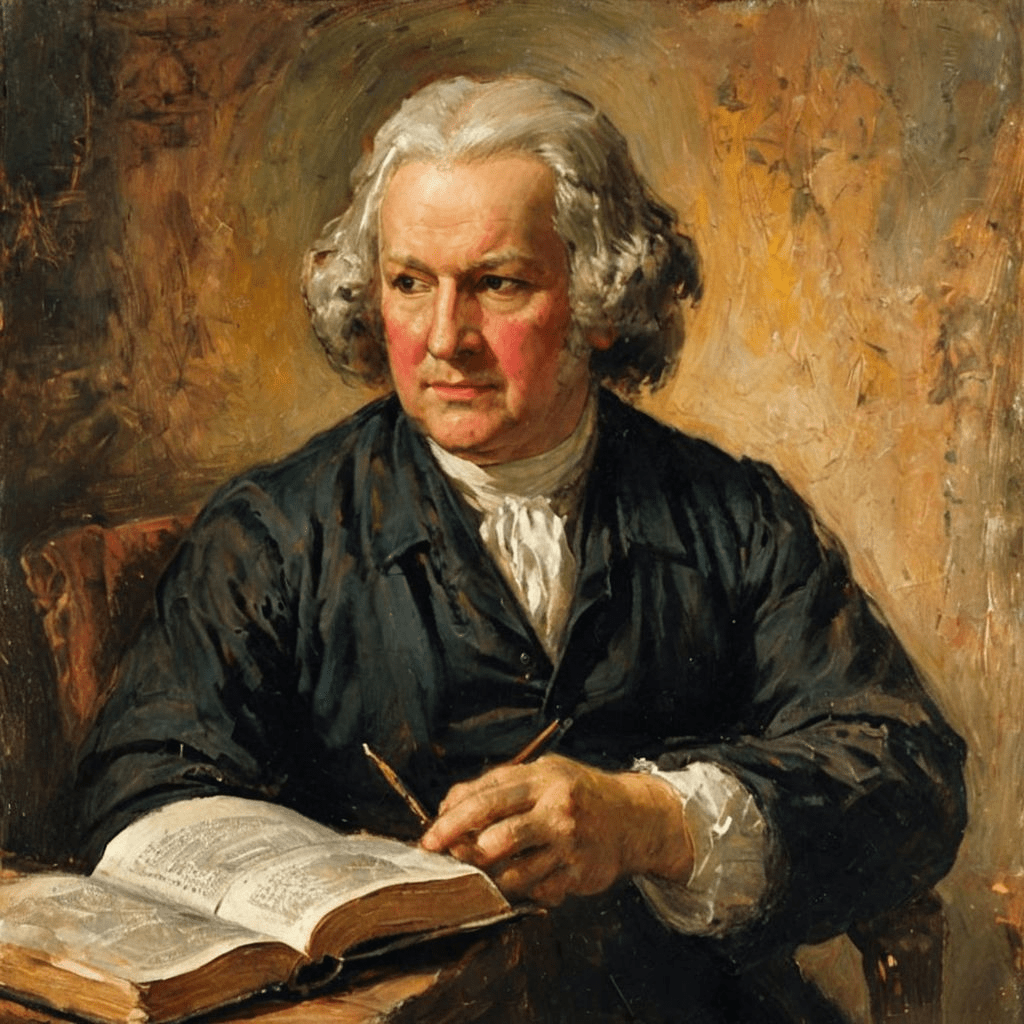
George Whitefield was a dynamic English preacher who spent a number of years in America at the invitation of John and Charles Wesley. In his very first sermon, in his hometown, he preached with such fervor that a complaint was made to the bishop that he had driven fifteen people mad. Others may have been more learned, but none were more eloquent or more moving. J.C. Ryle claimed, No preacher has ever retained his hold on his hearers so entirely as he did for thirty-four years.

With God’s help, use what gift God gave you for His glory. Don’t be like Samson, choose to tear down your resistance to God’s plan for you. Purpose Driven
The audiobook by Henry Scougal “The Life of God in the Soul of Man” Listen well.


 Living Abroad
I love Whitefield!
LikeLike
Pingback: Awe of God | Living Abroad
Pingback: Henry Scougal | Living Abroad