
“The Life of God in the Soul of Man” by Henry Scougal explores the relationship between the soul and God. Scougal points to a genuine spirituality, not outward practices or rituals, but a quest centered on an internal union with God. He emphasized the critical importance of the heart’s transformation and the necessity of being born again to experience this divine connection. Henry outlines the qualities of a born again Christian. A person who loves even when undeserved. A person who forgives quickly and is humble. With a soul that strives for holiness. The book encourages readers to seek a deep, personal relationship with God. The emphasis is on submission for true fulfillment and spiritual vitality. Scougal’s book was used by God for thousands to pursue an authentic experience of the Holy Spirit living within us.

The book that was divinely penned in 1677 by Henry Scougal. Henry died at the age of 28. (1650-1678) The state of souls during his short life matches society today. People reflect the true nature of God, or they grieve the Holy Spirit with a soul empty of eternal hope. The text describes how a flimsy, scant religion compels souls born in any time of history to not know the importance of fully surrendering to God. “Without faith, it is IMPOSSIBLE to please God.” Where have I placed my faith? In God, or in? John 15:5-7 “I am the vine; you are the branches. If you remain in Me and I in you, you will bear much fruit; apart from Me, you can do nothing. If you do not remain in Me, you are like a branch that is thrown away and withers; such branches are picked up, thrown into the fire and burned. If you remain in Me and My words remain in you, ask whatever you wish, and it will be done for you.” Matthew 13:15 Oh Lord Jesus, convict our hearts of all our excuses and reservations to go deeper to know Thy will.

Overcoming Temptation and Vanity Requires Constant Vigilance and a Rejection of Worldly Desires. The distractions of this world stifle the better inclinations of God in us. There are still some pretentions, some hopes that flatter us, and after we have been frustrated a thousand times, we must be continually repeating our vow to test all things. The least difference of circumstances is enough to delude us. May we come to a serious and real contempt of worldly things, and increase our personal dependence on grace. Where are you rooted? Matthew 13:5-6 “Some fell on rocky places, where it did not have much soil. It sprang up quickly because the soil was shallow. But when the sun came up, the plants were scorched, and they withered because they had no root.” The following questions are worthy of raw honesty, and with a very transparent communion with the One who desires to pierce the human, deceitful heart. For two centuries, God has used Henry’s words to draw thousands of souls closer to Truth. Are you ready for the Spirit of God to evoke a time for serious contemplation of His rightful place within you? From deep, to deeper, He calls us to repentance: Does the IMAGE of the ALMIGHTY SHINE in my soul? Do I participate in the fullness of His holy nature? Does God dwell in my soul? Is Christ formed within me? Do I prefer to please myself, or to please God, as His obedient, humble servant? Does the animal nature in me yet prevail? Do I personally indulge my selfish inclinations over the convicted awareness of the divine nature of God? James 4:17 “If anyone, then, knows the good they ought to do and doesn’t do it, it is sin for them.” The book that delivered the soul of George into a life in Christ. The call of God and the conversion of George Whitefield

The soul of man has several appetites. Is it wise for us to satisfy all of them? Man was created with the wisdom of the Creator to think and to choose that which is best to preserve life. Man was made for higher purposes than the beasts of the field. We are to be guided by excellent laws that keep us from neglecting our duty of God’s noble design and intended purpose. Our Father gives us wisdom to moderate the desires of our natural appetites. The difference between a holy soul and a wicked soul is that the divine life obeys God way over the animal way — which tends to be frivolous without any thought to consequence. Henry explains that we are called to be serious, not frivolous with God’s Way. We are to think and to choose His Way, not the way of unthinking beasts. What causes us to be separated from our holy God?

The soul that chooses a fierce temper over humble submission find themselves sinning again and again. Such a soul cannot be satisfied and they get angry as they frustrate over a peaceful soul. Souls were not created with sour and unhappy dispositions. Some souls were born with a sweetness in their nature that find great pleasure in the endearments of society. They enjoy the mutual complacency of friends while coveting the pleasure of having others be obligated to not offend but to please mankind. Without being educated otherwise, their judgment is weak in the ways of God. In temperance and perception the issue of self pleasing abounds without the knowledge of God.
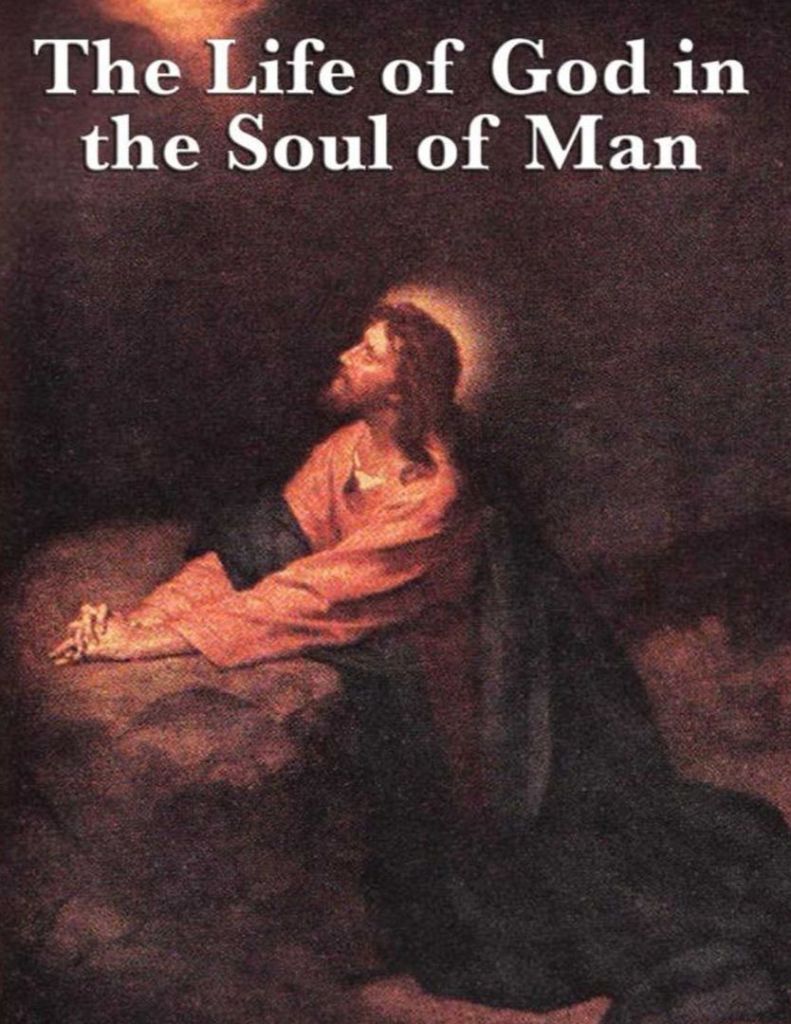
A PRAYER after chapter one:
“Infinite and eternal Majesty, Author and Fountain of being and blessedness, how little do we poor sinful creatures know of Thee or the way to serve and please Thee. We talk and pretend to love God with our whole heart. How easily do we mistake the affections of our nature and issues of self-love for those divine graces which alone can render us acceptable in Thy sight. I am grieved to have wandered so long and contented myself so often with vain false images of purity and holiness. I acknowledge and adore Thy goodness in spite of my best due adoration. I rejoice to consider what mighty improvements my nature is capable of. By the Spirit, I hope to possess a divine nature. Blessed be Thine infinite mercy, who sent Thine own Son to dwell among men and instruct them by His example as well as His laws, giving them a perfect pattern of what they ought to be. Oh, that the holy life of the blessed Jesus may be always in my thoughts and before mine eyes, till I receive a deep sense and impression of those excellent graces that shine so eminently in Him. And let me never cease my endeavors till that new and divine nature prevail in my soul and Christ be formed within me. AMEN”

It is important for all souls to understand its nature and limitations in relation to true divine life, which consists of faith, love to God, charity to man, purity, and humility, exemplified in the life of Jesus Christ.

A young Scottish minister named Henry Scougal, died at only 28 years of age. His letters were published anonymously in 1677. The words originally poured out to spiritually direct a personal female friend, Lady Gilmour. The book retains the warmth and directness of his desire to reach a lost soul. King James, head of the Anglican Church died on March 27, 1625. This summary of chapter one of The Life of God in the Soul of Man challenges all to not be enamored by the poetry of the Pslams, but to allow the Spirit of God to ignite a passion for the Lord Jesus. The text explores the nature of true religion and contrasts it with the superficial or self-serving imitations in the 1600’s. It argues that while natural inclinations and reason can lead to outward displays of piety, they do not constitute genuine spiritual life. True religion, rooted in faith, is characterized by love for God and humanity, purity, and humility. These virtues are exemplified in the life of Jesus Christ, who perfectly demonstrated love, charity, purity, and humility through his actions and suffering. The text concludes with a prayer for enlightenment and the cultivation of these divine graces. Key topics and decisions:
* **Distinction between natural piety and divine life:** Recognizing the difference between outward religious displays driven by self-interest or natural inclinations and genuine spiritual transformation.
* **Definition of divine life:** Understanding the core components of true religion: faith, love of God, charity, purity, and humility.
* **Importance of faith:** Acknowledging faith as the foundation of the divine life, providing a sense of spiritual realities.
* **Love of God and neighbor:** Cultivating a deep affection for God and extending that love to all humanity.
* **Purity and self-denial:** Embracing a life of simplicity and resisting worldly temptations.
* **Humility and submission:** Recognizing one’s own limitations and submitting to God’s will.
* **Exemplification of Christ:** Studying and emulating the life of Jesus Christ as the perfect model of divine virtues.
* **Prayer for enlightenment:** Seeking divine guidance to discern true religion and cultivate spiritual growth.

A prayer. Good God, what a mighty JOY is it to which we are called. How gracious is God Almighty to join us with His Spirit to be unified in a heavenly purpose. That God’s work in us, allows us to perform our duty, by His lavish grace. How our Father escavates we such silly worms to be advanced to so great a task. Oh Lord, raise our eyes to witness Thy glory that we may show our sincerest affection. May we receive Thy divine excellencies by beholding and admiring them as to partake of Thy infinite love. Oh the happiness of those souls that have broken the chains of self-love and disentangled their affection from every narrow mindedness of God’s goodness. Whose clarity of understandings are enlightened by the Holy Spirit and their wills enlarged to the extent of God’s will. Oh Lord, impart unto me a burning desire to love Thee above all things and all mankind for Thy most lovely names sake. Oh God, I am convicted and persuaded that I can never be happy till my corrupt affections be crucified and the pride and vanity of my spirit be subdued until I come seriously to despise the world and think nothing of myself. Oh, Holy Spirit reveal unto me the way to satisfy my souls longing to be holy as God is holy. Take hold of my thoughts and tongue so that in all manner of conversation I represent Christ in me, God’s hope for glory. The very possibility of such a desire is a gift from God. Oh, teach me to do Thy will, for Thou art my God. Thy spirit is good as it leads me unto the land of uprightness. Quicken me, oh Lord, to all Thy mercies. Forsake not the works of Thine own hands unto me. AMEN ● As the charity of God flows from a noble and excellent way, the Spirit of God delights my soul to sense itself enlarged, and delivered from previous deformed passions of malice, hatred, and envy. To be the changed heart and fully possessed with the greatest kindness and affection towards all mankind would make me partake in the very pleasure of God.

Even though I should frequently meet with occasions of grief and compassion, yet there is a sweetness of His presence which makes it infinitely more desirable than a stupid insensibility of God’s goodness. Certainly, next to the love and enjoyment of God, that ardent affection would surely make us taste of the joys of heaven upon earth. The third branch of religion is PURITY: To agree with God, and deny sensual pleasures that disable us from performing our duty. That there be no slavery in me, that my own lusts do not prevent me from His victory over my soul. That I do not succumb to the pleasures of my senses or betray myself with a bewitching fancy. The new regenerated religious soul is of a more sublime and divine temper. It knows it was made for higher things and scorns to step aside one foot out of the ways of holiness. This holy purity is accompanied with a greater portion of sublime pleasure. For what defiles the soul, disturbs God to the point of separation. All impure delights have a sting in them and leave trouble behind them. Excess of all lusts are enemies to the health of the body and the interests of this present life. If the religious person abstains, the higher consequence of better choices makes way for increased satisfaction. Any person that is engaged in such a passionate affection will easily forget his ordinary gratifications. No wonder then that souls overpowered with divine love despise inferior pleasures. As for the hardships they may meet with, they rejoice in them, and since they are able to do so little for God, they are glad of the honor to suffer for Him. The last branch of religion is HUMILITY. The soul of man is not capable of a higher and more noble endowment.

Self-love restrains souls. It may incline a soul to a diligent study of divine truths, be grateful to be curious. Many delight to hear and compose excellent discourses about the matters of religion, for eloquence is very pleasant, whatever be the subject. The glorious things that are spoken of heaven make a carnal heart in love with things of God. The use of scripture to speak of crowns and scepters and rivers of pleasure will easily affect a man’s fancy and make him wish to be there, though he neither understand nor desire those spiritual pleasures which are described and shadowed forth by them. When a person comes to believe that Christ has purchased those glorious things for him, he may feel a kind of tenderness and affection toward so great a Benefactor and imagine that he is mightily enamored with Jesus. A soul may continue to be a stranger to the holy temper and spirit of the Blessed Jesus. To conclude, I do not condemn those things in themselves, yet it concerns us that we may learn never to value ourselves on the account of such attainments. It is now time to return to the consideration of that divine life, that life which is hid with Christ in God, and therefore hath no glorious show or appearance in the world, and to the natural man will seem an impossible notion. As the animal life consists in a narrow and confined love, which is terminated on a man’s self and in his propension towards those things that are pleasing to nature, so the divine life stands in a universal and unbounded affection and in the mastery over our natural inclinations, that they may never be able to betray us to those things which we know to be blamable. The root of the divine life is faith.
The chief branches are love to God, charity to man, purity, and humility.

It is a silly ignorance that begets pride. Humility arises from a close acquaintance with excellent things. It keeps souls from admiring themselves because of some petty attainments. Noble and well- educated souls have no esteem of riches, beauty, strength, and other such like advantages. They also do not despise those that want them. And as for inward worth and real goodness, the sense they have of the divine perfections makes them think to overcome themselves and become less that God becomes them instead. A person pretending to be humble shuns expressions that describe them aptly as arrogant. What are those modes of civility so frequent in our ordinary conversations? The proud and arrogant person is a trouble to all that talk with them as well as to themselves. Everything is enough to vex the proud, but scarce anything sufficient to content and please them. They are ready to quarrel with anything that falls out, as if they were such a considerable person that God Almighty should do everything to gratify them. But the HUMBLE SOUL has the advantage as NONE can think more lowly of them than they already know to be true. The HUMBLE person compares themself to Christ, and therefore are NOT troubled by the opinions of mankind. They are less affected with injuries, as the pride of mankind betrays a the lofty minded. True and genuine humility receives both a veneration and love among all wise and discerning persons, while pride defeats its own design.
The humble are glad to take the lowest prostration of soul before God. Before a deep sense of divine majesty and glory, they sink to the bottom of their beings and vanish and disappear in the presence of God. They acknowledgement their own nothingness and the shortness and imperfections of their attainments, when they understand the full sense and emphasis of the Psalmist’s exclamation, Lord, what is man? Never did any haughty and ambitious person receive the praises and applauses of men with so much pleasure as the humble quickly renounce any accolades.
Let us acquaint ourselves with purity and humility and our experience of it will teach us more than all that has ever been spoken or written concerning it. The love of God is a delightful sense of His divine perfections, which makes the soul sacrifice itself wholly unto God, desiring above all things the resurrection of Jesus in us. A soul thus possessed needs be enlarged toward all mankind in a sincere and unbounded affection because of the relation they have to God. All the duties we owe to our neighbor are imminently comprehended.

By PURITY, we withdraw from distractions and seek wise counsel. We abstain from all pleasures and delights of sense or fancy. Christian courage and magnanimity may come under this head. Humility imports a deep sense of our own drought of heart which compels a profound submission to the will of God and great deadness toward the glory of the world and applause of men. These are the highest perfections that either men or angels are capable of, the very foundation of heaven laid in the soul. God’s thoughts concerning the pure and humble are written on the tablets ogmf their hearts. Their love to God give them assurance of God’s favor. It is not without reason that one said, I had rather see the real impressions of a God-like nature upon my own soul than have a vision from heaven or an angel sent to tell me that my name was enrolled in the book of life. When we have said all that we can, the secret mysteries of a new nature and divine life can never be sufficiently expressed. Language and words cannot reach them, nor can they be truly understood but by those souls that are enkindled within and awakened unto the sense and relish of spiritual things. There is a spirit in man, and the inspiration of the Almighty giveth this understanding.

The power and Christ in us may be better expressed in actions than in words, because actions are more lively things and do better represent the inward principle whence they proceed. Love, purity, and humility are perfectly exemplified in the holy life of our Blessed Savior. In this world Jesus taught by his practice He did require His followers to also do the will of the Father by embracing the Holy Spirit in us. True goodness was visible to mortal eyes when his presence did beautify and illustrate purity towards his heavenly Father. It was His desire to finish the work of Him that sent Him. He spared no travel or pains while He was about his father’s business.

Jesus took such infinite content and satisfaction in the performance of it that when weary with his journey, He rested himself on Jacob’s well and entreated water of the Samaritan woman. The success of his conference with her and the accession that was made to the kingdom of God filled his mind with such delight as seemed to have rebounded to his very body, refreshing his spirit and making him forget the thirst whereof he complained before. He refused the meat which he had sent his disciples to buy.

Totally submissive in suffering the will of God, He endured the sharpest afflictions and extreme miseries that ever were inflicted on any mortal. As his bloody sweat and sorrow which he professed, yet did he entirely submit to that severe disposition of providence and willingly acquiesced in it. And he prayed to God that, if it were possible, or as one of the evangelists hath it, if he were willing, that cup might be removed.
Yet he gently added, nevertheless, not my will, but thine be done.
John 12:27, where Jesus first acknowledged the anguish of his spirit. Rhen he goes on to deprecate his sufferings, Father, save me from this hour, which he had no sooner uttered, but he doth, as it were, on second thoughts, recall it in these words, but for this cause came I into the world and concludes, Father, glorify thy name. Now, we must not look on this as any levity or blamable weakness in the Blessed Jesus.
He knew all along what he was to suffer and did most resolutely undergo it, but it shows us the inconceivable weight and pressure that he was to bear, which, being so afflicting and contrary to nature, he could not think of without terror. Yet considering the will of God and the glory which was to redound from him thence, he was not only content, but desirous to suffer it. Another instance of his love to God was in his delight in conversing with him by prayer, which made him frequently retire himself from the world and with the greatest devotion and pleasure spend whole nights in that heavenly exercise, though he had not sins to confess and but few secular interests to pray for, which, alas, are almost the only things that are want to drive us to our devotions. Nay, we may say his whole life was a kind of prayer, a constant course of communion with God, if the sacrifice was not always offering, yet was the fire still kept alive, nor was ever the Blessed Jesus surprised with that dullness or tepidity of spirit which we must many times wrestle with before we can be fit for the exercise of devotion. In the second place, I should speak of his love and charity toward all men, but he who would express it must transcribe the history of the gospel and comment upon it, for scarce anything is recorded to have been done or spoken by him, which was not designed for the good and advantage of someone or other. All his miraculous works were instances of his goodness as well as his power, and they benefited those on whom they were wrought, as well as they amazed the beholders. His charity was not confined to his kindred or relations, nor was all his kindness swallowed up in the endearment of that particular friendship which he carried toward his beloved disciple, but everyone was his friend who obeyed his holy commands.
John 15:14.
And whosoever did the will of his father, the same was to him as his brother, sister, and mother. Never was any unwelcome to him who came with an honest intention, nor did he deny any request which tended to the good of those that asked it, so that what was spoken of that Roman emperor, who for his goodness was called the darling of mankind, was really performed by him, that never any departed from him with a heavy countenance, except that rich youth, Mark 10, who was sorry to hear that the kingdom of heaven stood at so high a rate and that he could not save his soul and his money too. And certainly it troubled our Savior to see that when a price was in his hand to get wisdom, yet he had no heart to it. The ingenuity that appeared in his first address had already procured some kindness for him, for it is said, and Jesus beholding him, loved him. But must he for his sake cut out a new way to heaven and alter the nature of things, which make it impossible that a covetous man should be happy? And what shall I speak of his meekness?
Who could encounter the monstrous ingratitude and dissimulation of that miscreant who betrayed him in no harsher terms than these?
Judas, betrayest thou the son of man with a kiss?
What farther evidence could we desire of his fervent and unbounded charity than that he willingly laid down his life even for his most bitter enemies, and mingling his prayers with his blood, besought the Father that his death might not be laid to their charge, but might become the means of eternal life to those very persons who procured it. The third branch of the divine life is purity, which, as I said, consists in a neglect of worldly enjoyment accommodations, in a resolute enduring of all such troubles as we meet in doing of our duty. Now surely, if ever any person was wholly dead to all pleasures of the natural life, it was the Blessed Jesus, who seldom tasted them when they came in his way, but never stepped out of his road to seek them. Though he allowed others the comforts of wedlock and honored marriage with his presence, yet he chose the severity of a virgin life and never knew the nuptial bed, and though at the same time he supplied the want of wine with a miracle, yet he would not work one for the relief of his own hunger in the wilderness. So gracious and divine was the temper of his soul in allowing others such lawful gratifications as himself thought good to abstain from and supplying not only their more extreme and pressing necessities, but also their smaller and less considerable wants. We many times hear of our Savior’s sighs and groans and tears, but never that he laughed, and but once that he rejoiced in spirit, so that through his whole life he did exactly answer that character given of him by the prophet of old, that he was a man of sorrows and acquainted with grief. Nor were the troubles and dis accommodations of his life other than matters of choice, for never did there appear on the stage of the world with greater advantages to have raised himself to the highest secular felicity. He who would bring together such a prodigious number of fishes into his disciples’ net and, at another time, receive that tribute from a fish which he was made to pay to the temple, might easily have made himself the richest person in the world. Nay, without any money, he could have maintained an army powerful enough to have jostled Caesar out of his throne, having oftener than once fed several thousands with a few loaves and small fishes, but to show how small esteem he had of all the enjoyments in the world, he chose to live in so poor and mean a condition that though the foxes had holes and the birds of the air had nests, yet he, who was Lord and heir of all things, had not whereon to lay his head. He did not frequent the courts of princes, nor affect the acquaintance or converse of great ones, but, being reputed the son of a carpenter, he had fishermen and such other poor people for his companions, and
lift at such a rate as suited with the meanness of that condition. And thus, I am brought unawares to speak of his humility, the last branch of the divine life, wherein he was a most eminent pattern to us, that we might learn of him to be meek and lowly in heart. I shall not now speak of that infinite condescension of the eternal son of God in taking our nature upon him, but only reflect on our Savior’s lowly and humble deportment while he was in the world. He had none of those sins and imperfections which may justly humble the best of men, but he was so entirely swallowed up with a deep sense of the infinite perfections of God that he appeared as nothing in his own eyes. I mean so far as he was a creature.
He considered those eminent perfections which shined in his blessed soul, not as his own, but the gifts of God.
And therefore assumed nothing to himself for them, but with the profoundest humility, renounced all pretenses to them.
Hence did he refuse that ordinary compilation of good master, when addressed to his human nature by one who, it seems, was ignorant of his divinity.
Why callest thou me good? There is none good but God only, as if he had said, the goodness of any creature, and such only thou takest me to be, is not worthy to be named or taken notice of. It is God alone who is originally and essentially good. Jesus never made use of his miraculous power for vanity. He would not gratify the curiosity of the Jews with a sign from heaven, some prodigious appearance in the air, nor would he follow the advice of his countrymen and kindred, who would have all his great works performed in the eyes of the world for gaining him the greater fame. But when his charity had prompted him to the relief of the miserable, his humility made him many times enjoin the concealment of the miracle, and when the glory of God and the design for which he came into the world required the publication of them, he ascribeth the honor of all to his father, telling them that of himself he was able to do nothing. I cannot insist on all the instances of humility in his deportment towards men, his withdrawing himself when they would have made him a king, his subjection, not only to his blessed mother, but to her husband during his younger years, and his submission to all the indignities and affronts which his rude and malicious enemies did put upon him. The history of his holy life begs our serious and attentive study of His way. Sacrificing our time to accustom our soul with the humility, and purity of Christ will benefit all.


 Living Abroad