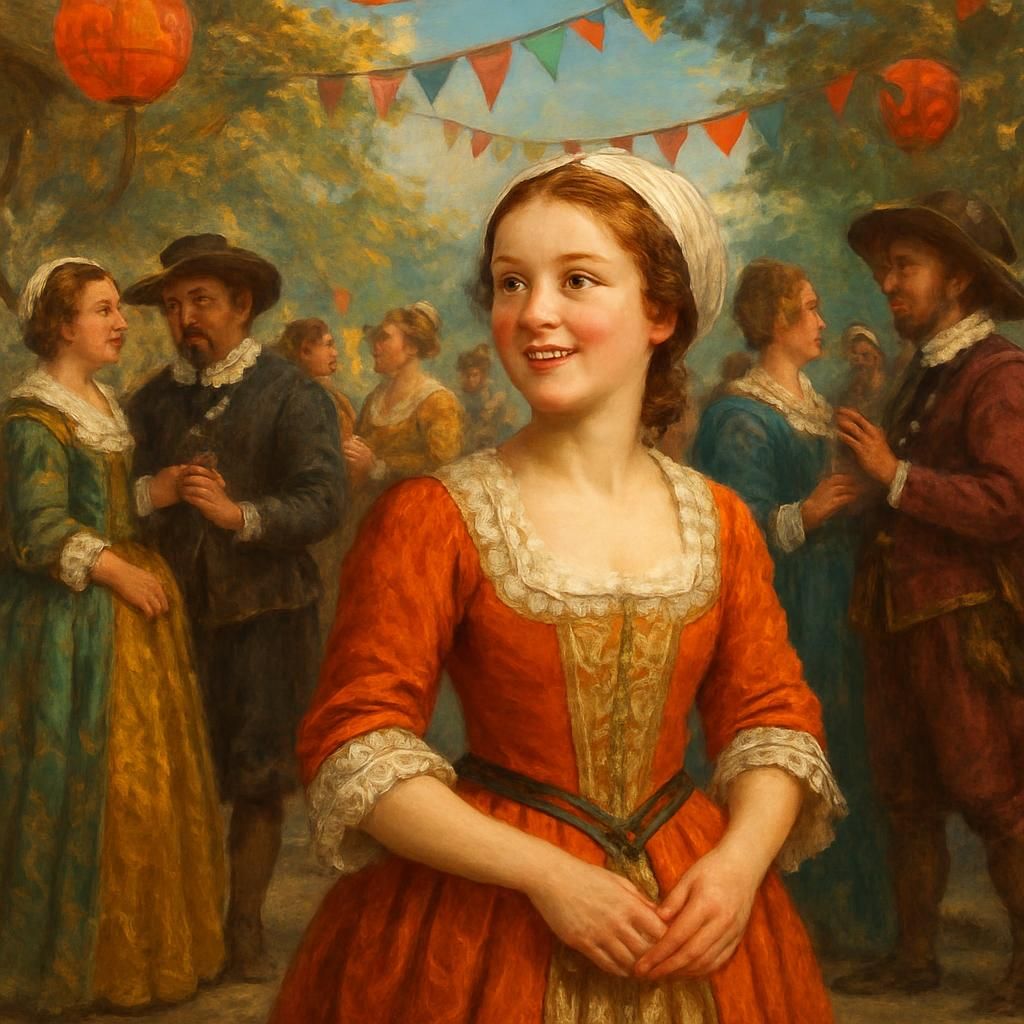
Jeanne-Marie Bouvier de la Motte, was a French woman who was born in the 17th century. Her parents were wealthy, and from childhood she felt estranged from her mother. She was born in 1648 into a privileged but emotionally distant family. Despite the elevated status, she felt neglected and developed a deep longing for God’s love, which drove her to seek a personal connection.

Her early experiences included a profound reaction to a religious procession at the age four. At 12, she thrived in a convent school but was withdrawn by her family to marry Jacques Guyon at 15. This marriage subjected her to a challenging life marked by her husband’s fragile health and her controlling mother-in-law. Rather than breaking her spirit, these trials deepened her faith. Influenced by spiritual writers like St. Francis de Sales, she embraced a prayer life focused on surrendering to God. After her husband’s death in 1676, Jean found freedom and dedicated herself fully to God, cultivating a life of continual prayer. She wrote a revolutionary method of prayer. She gained popularity for the emphasis on direct communion with God. This challenged the traditional church.
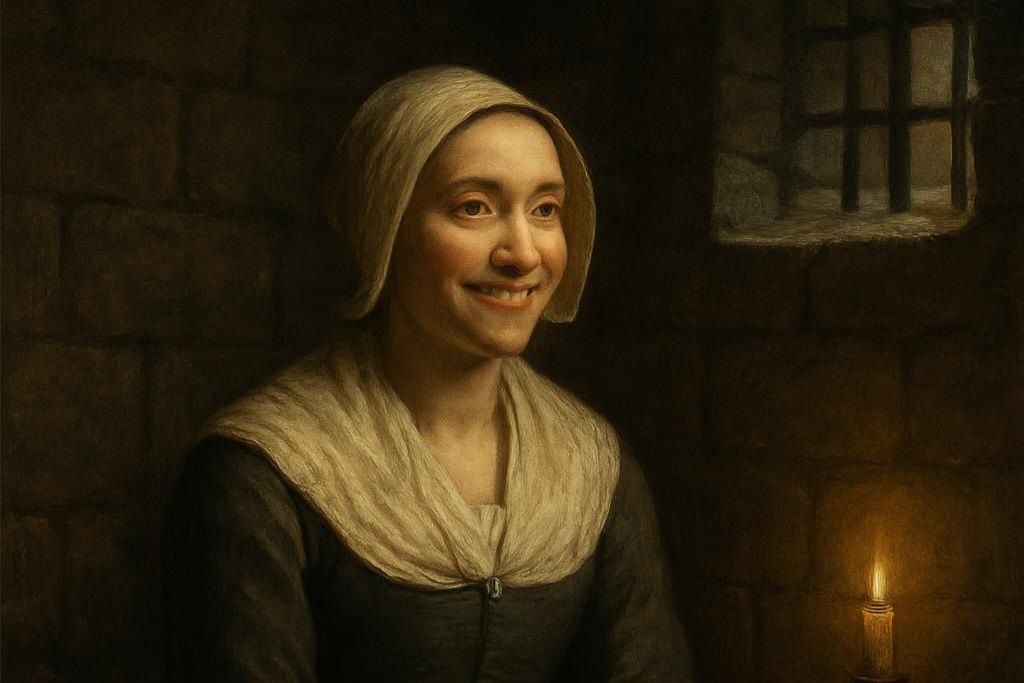
In 1688, she was arrested for her beliefs. Jeanne was imprisoned for 7 years. Like the apostle Paul, she wrote many of her most profound works while in forced seclusion. Despite the hardships, she found peace and a deeper relationship with God during her confinement. Upon her release in 1702, she became a spiritual guide, attracting followers from various backgrounds. Her short life exemplifies the journey from suffering and misunderstanding to profound faith and freedom in God, urging believers to reflect on their relationship with the divine and the importance of surrender over striving. Her story remains a powerful testament to the enduring nature of spiritual truth.

Madame Guon’s influence spread across Europe, impacting Protestant and Catholic circles alike. She emphasized inner surrender and the accessibility of God’s love, which resonated with many seekers. Her legacy continued to inspire future generations, including figures like John Wesley. Her many writings focused on her Christian journey. She advocated for a deeper, experiential relationship with Jesus. This was very controversial in the 1600’s. Her most notable work, “Experiencing the Depths of Jesus Christ,” emphasizes the importance of inner spirituality and the practice of surrendering to God’s will.
Guyon was associated with the Quietism movement, which stressed the importance of inner peace and contemplation over external religious practices. Her ideas led to her imprisonment by the authorities for a time. Her writings continue to impact.
Guyon’s written themes:
1. Inner Spirituality: Guyon emphasized the importance of developing a personal, intimate relationship with God through inner contemplation and prayer.
2. Surrender: A key aspect of her teachings is the concept of surrendering oneself completely to God’s will, often described as “abandonment” to divine providence.
3. Unity: Guyon wrote about achieving a union with God, suggesting that through deep prayer and meditation, a person could experience a profound connection with the divine. This is what landed her in prison.
4. Quietism: A principle that advocates for a state of inner peace and stillness, where the soul can rest in God without the distractions of thoughts or desires.
5. Transformation and Purification: The process of spiritual transformation, and the need for purification of the soul to attain a closer relationship with God.
6. The Role of Love: Love for God and others. True love leads to selflessness and a deeper spiritual life.
7. External Religion: Guyon often criticized mere external religious practices and rituals, advocating instead for an inward, experiential faith that focuses on personal spiritual growth.
These themes reflect her desire to guide others toward a more profound spiritual experience.


 Living Abroad