
A collection of ancient Jewish texts discovered between 1947 and 1956 in caves near the Dead Sea, primarily in the Qumran area. They date from the third century BCE to the first century CE and include a variety of writings. The texts of Dead Sea Scrolls:
- Biblical Texts: The scrolls contain some of the oldest known copies of the Hebrew Bible, including books like Isaiah, Psalms, and Deuteronomy. These texts are significant for biblical studies.
- Apocryphal and Pseudepigraphical Texts: The writings that are NOT included in the canonical Hebrew Bible but were important to Jewish thought. The Book of Enoch and the Book of Jubilees.
- Sectarian Manuscripts: A Jewish sect thought to be the Essenes. These include rules and regulations for community life, beliefs, and the interpretation of scripture. The Manual of Discipline and the War Scroll.
- Essene Commentaries: Expand understanding of certain biblical texts, providing insight into their interpretive practices. Habakkuk an important example.
- Legal and Liturgical Texts: legal texts, hymns, and prayers.
- Historical Texts: The history and beliefs to include their eschatological expectations.
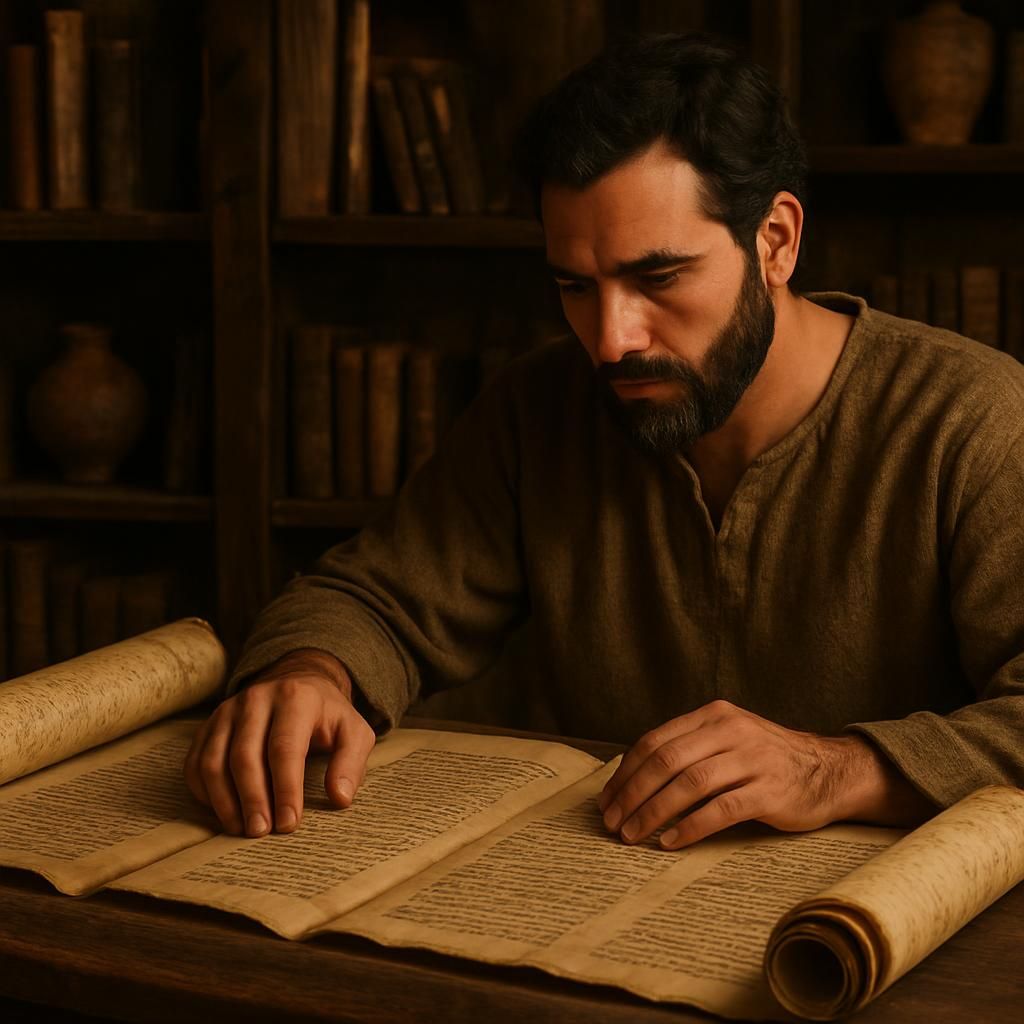
The Dead Sea Scrolls offer understanding of Second Temple Judaism, the origins of Christianity, and the development of the Hebrew Bible. They provide a window into the diversity of beliefs and practices in ancient Judaism and challenge conventional notions of religion.
The Dead Sea Scrolls are written in several languages, primarily:
1. Hebrew: Most of the biblical texts and many of the sectarian writings are in Hebrew, which was the scholarly language of the Jewish people.
2. Aramaic: a Semitic language that was widely spoken in the Near East at the time. Aramaic was often used in documents, including some of the biblical texts and the sectarian writings.
3. Greek: The Hellenistic influence in the region are in the fragments of biblical texts and certain legal documents.
Hebrew is the primary language among the Dead Sea Scrolls, the presence of Aramaic and Greek indicates the cultural and linguistic diversity of the Jewish community during the 2nd Temple period.


 Living Abroad