
With zero contradictions, all scripture was recorded on 66 ancient scrolls, in 3 different languages, by 40 different chosen quill holders, over 3 separate continents, for our benefit. “All scripture is God breathed.” Therefore, every word has deep significance. “But as many as RECEIVED Him, to them He gave the right to become children of God, to those who believe in His name: who were born, NOT of blood, nor of the will of the flesh, nor of the will of man, BUT of GOD.” John 1:12-13 NKJV —we all have birth parents, some loving, or struggling, or perhaps we never knew them, BUT GOD, greatly rejoiced when we RECEIVED JESUS as our Savior. We were drawn to God, sealed by the Holy Spirit, and born again into His family. These words; “I never knew you!” No sane person wants to ever hear Jesus say this. So we get to know Him by listening to what the Spirit of God says to keep oil in our lamps.
John 6:65 (ESV) “And He said, ‘This is why I told you that no one can come to Me unless it is granted him by the Father.’” This implies that coming to Jesus and RECEIVING HIM is NOT solely a matter of individual choice or merit; rather, it is a GIFT that is granted by God the Father. Without a relationship with He who dwells within us, we could deceive ourselves and think we are ready for the return of Jesus. We work out our salvation with trembling in His presence. Our daily reliance on Holy Spirit to lead us, and give us the understanding we need, is critically important. We are as the 5 wise virgins as we rely on Him for every act or decision. Matthew 7:23 (NIV) “Then I will tell them plainly, ‘I never knew you. Away from Me, you evildoers!’” This verse emphasizes the significance of a genuine relationship with God, via the Holy Spirit, our Counselor, Comforter, Teacher, Guide. Our religious practice of attending church, and reciting scripture WITHOUT true FAITH is known by God. Do we ask for direction from the One the Father sent? If we lean on our own understanding, we do not please God. For those who lean on intellect, a word from God. Matthew 13:14-17 “In them is fulfilled the prophecy of Isaiah: ‘You will be ever hearing but never understanding; you will be ever seeing but never perceiving. For this people’s heart has become calloused; they hardly hear with their ears, and they have closed their eyes. Otherwise they might see with their eyes, hear with their ears, understand with their hearts and turn, and I would heal them.’ But blessed are your eyes because they see, and your ears because they hear. For truly I tell you, many prophets and righteous people longed to see what you see but did not see it, and to hear what you hear but did not hear it.”
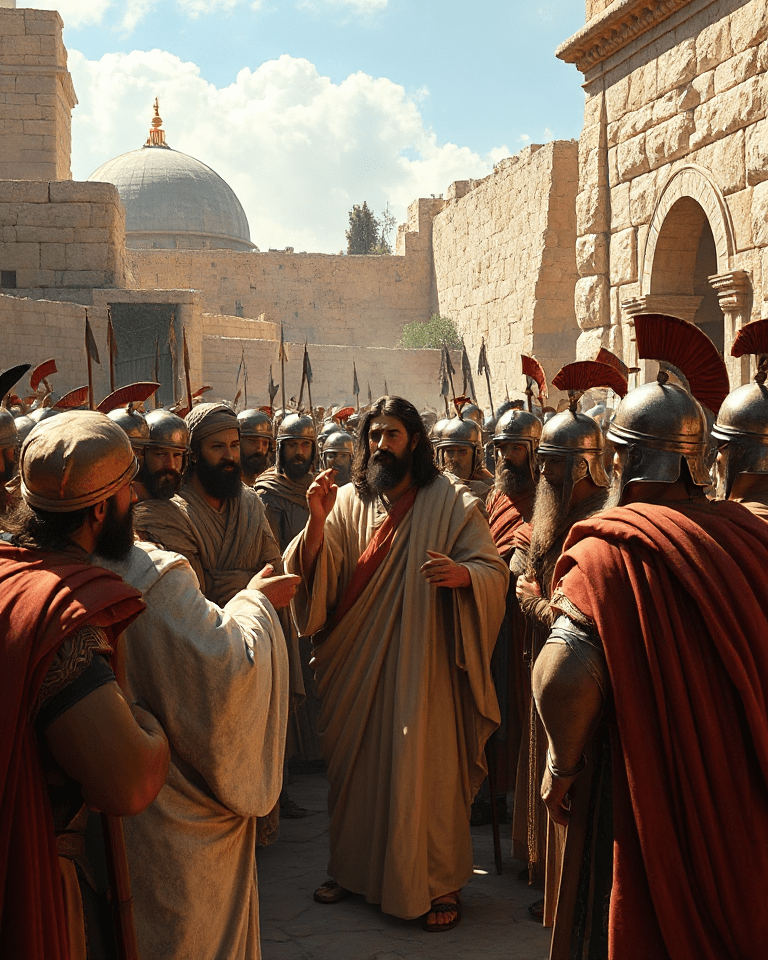
In context: John 7:30-39 “At this THEY tried to seize HIM, but no one laid a hand on HIM, because HIS hour had not yet come. Still, MANY in the CROWD believed in HIM. THEY said, “When the Messiah comes, will HE perform more signs than this man?” The Pharisees heard the CROWD whispering such things about HIM. Then the CHIEF PRIESTS and the Pharisees sent temple guards to arrest HIM. Jesus said, “I am with you for only a short time, and then I am going to the one who sent ME. You will look for ME, but you will not find ME; and where I am, you cannot come.” The Jews said to one another, “Where does this MAN intend to go that we cannot find HIM? Will HE go where our people live scattered among the Greeks, and teach the Greeks? What did HE mean when HE said, ‘You will look for ME, but you will not find ME,’ and ‘Where I am, you cannot come’?” On the last and greatest day of the festival, Jesus stood and said in a loud voice, “Let anyone who is thirsty come to ME and drink. Whoever believes in ME, as Scripture has said, rivers of living water will flow from within them.” By this HE meant the SPIRIT, whom those who believed in HIM were later to RECEIVE. Up to that time the SPIRIT had not been given, since Jesus had not yet been glorified.” This word spoken to the public with Roman soldiers, Jews, and the Pharisees present. The temple curtain was torn when Jesus gave up His SPIRIT, so that all people could have access to the Holy Presence of God.
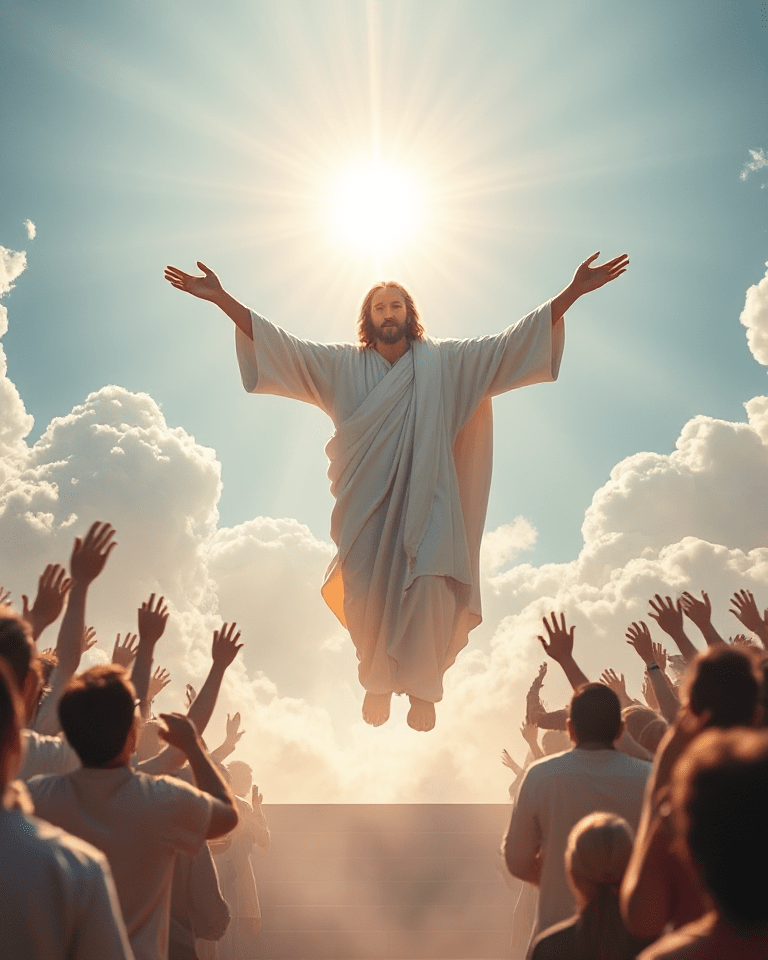
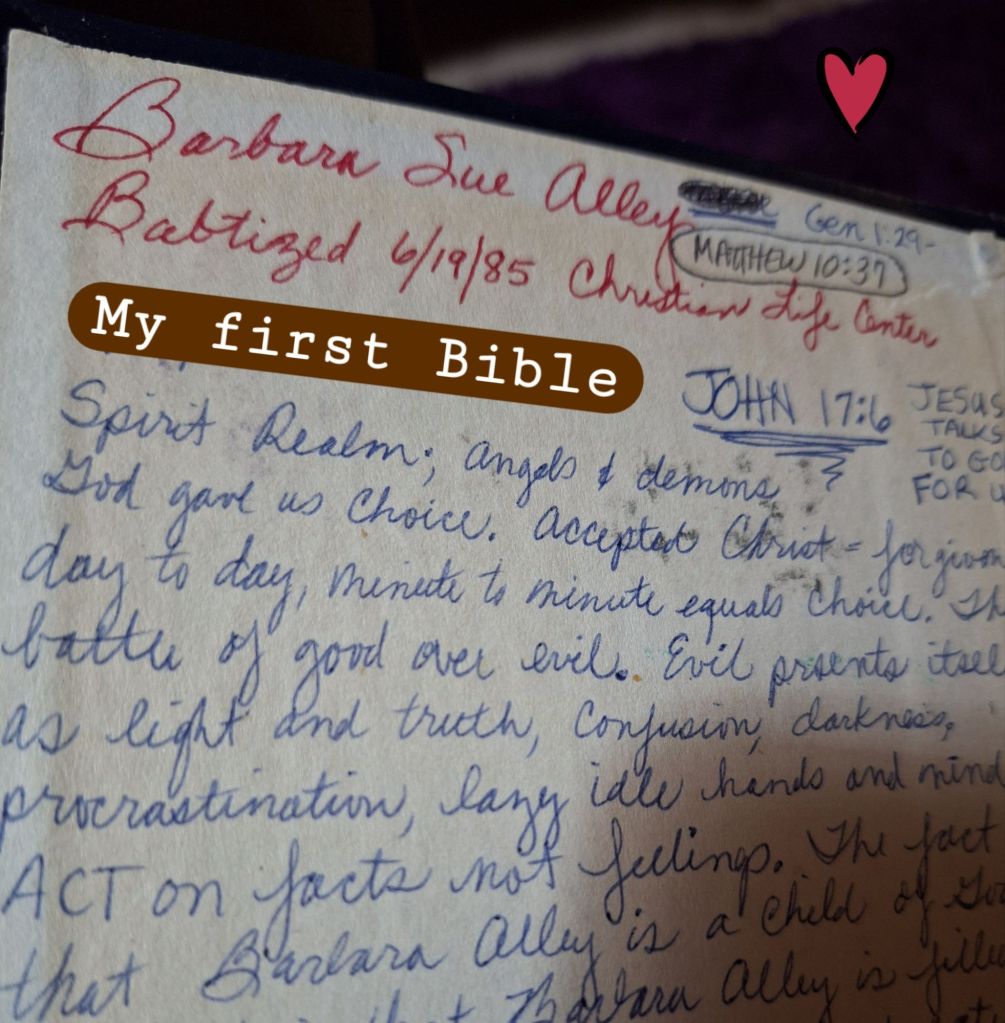
Acts 1 “Until the day Jesus was taken up to heaven, after giving instructions through the Holy Spirit to the apostles He had chosen. After His suffering, Jesus presented Himself to them and gave many convincing proofs that He was alive. Jesus appeared to them over a period of 40 days and spoke about the kingdom of God. On one occasion, while Jesus was eating with them, He gave them this command: “Do not leave Jerusalem, but wait for the GIFT MY my Father promised, which you have heard Me speak about. But you will RECEIVE POWER when the Holy Spirit comes on you; and you will be MY witnesses in Jerusalem, and in all Judea and Samaria, and to the ends of the earth.” After HE said this, HE was taken up before their very eyes, and a cloud hid HIM from their sight.” In John 20:22 we were told more truth. ❤️ “He BREATHED on them and said, “RECEIVE the Holy Spirit.” This word was from Jesus to His disciples BEFORE Pentecost. All scripture is God breathed, and we trust He means what He says to His people. The disciples were chosen by Jesus, so His word is true. “Whoever believes in Me, as Scripture sats, will have rivers of living water flow from within them.” John 7:39 Another Scripture says “Only believe” So the very moment we believe in Jesus Christ, the Holy Spirit fills us. The disciples were drawn to God, and in Jihn 20:22 thet received the Holy Spirit by the BREATH of Jesus. They were at once INDWELT and regenerated. Likewise, by God’s living Word, His breath, as we come to BELIEVE, we too receive the gift of FAITH, and are INDWELT and regenerated into a whole NEW creation. ● The outpouring of the Holy Spirit in Acts 2:4 was experienced by the disciples AFTER they received the Holy Spirit. Their baptism in the Spirit at Pentecost was, therefore, a 2nd distinct work of the Spirit in them. All Christians receive the Holy Spirit at the moment of belief and are regenerated. John 20:22 (Wuest Greek Translator) ‘He breathed on them and says to them, Receive at once the Holy Spirit.” ❤️ “The GRASS withers, the flower fades when the BREATH of the LORD blows on it; surely the people are GRASS. The grass withers, the flower fades, but the word of our God will stand forever.” Isaiah 40:7-8 ESV ❤️ The people, the grass dies, and a new creation of Christ is regenerated. HALLELUJAH
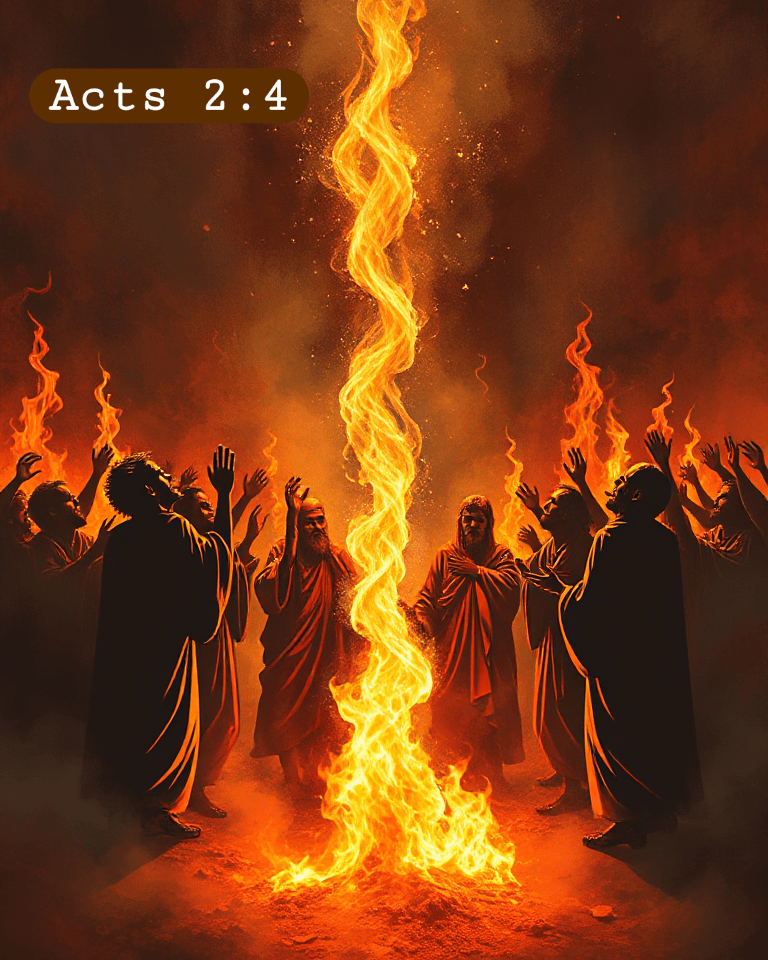
Romans 8:9 You, however, are not in the realm of the flesh but are in the REALM of the SPIRIT, if INDEED the SPIRIT of GOD LIVES in you. And if anyone does NOT have the Spirit of Christ, they do not belong to Christ. But if CHRIST is IN you, then even though your body is subject to death because of sin, the SPIRIT GIVES LIFE because of RIGHTEOUSNESS. And if the SPIRIT of HIM who RAISED JESUS from the dead is LIVING in you, HE who RAISED Christ from the dead will ALSO GIVE LIFE to your MORTAL bodies because of HIS SPIRIT who LIVES in you. For those who are LED by the SPIRIT of GOD are the CHILDREN of GOD. The SPIRIT you RECEIVED does NOT make you slaves, so that you live in fear again; rather, the SPIRIT you RECEIVED brought about your ADOPTION to sonship. And by HIM we cry, “Abba, Father.” The SPIRIT HIMSELF TESTIFIES with our spirit that we are GOD’S children. Now if WE ARE CHILDREN, then WE are HEIRS —heirs of GOD and co-heirs with Christ, if indeed we share in HIS sufferings in order that we may also share in HIS glory.” ❤️ The idea that no one can come to God unless called or drawn is truth. The Father drew the 120 into upper room at Pentecost. “No one can come to me unless the Father who sent me draws them, and I will raise them up at the last day.” The belief that the divine assistance of Holy Spirit is necessary for individuals to come to faith in Christ is what Scripture teaches. Additionally, John 6:65 reinforces this idea by indicating that no one can come to Jesus unless it has been granted by the Father. ❤️ Just like David, the Holy Spirit was RECEIVED then they were Baptized by Holy Spirit fire at Pentecost.
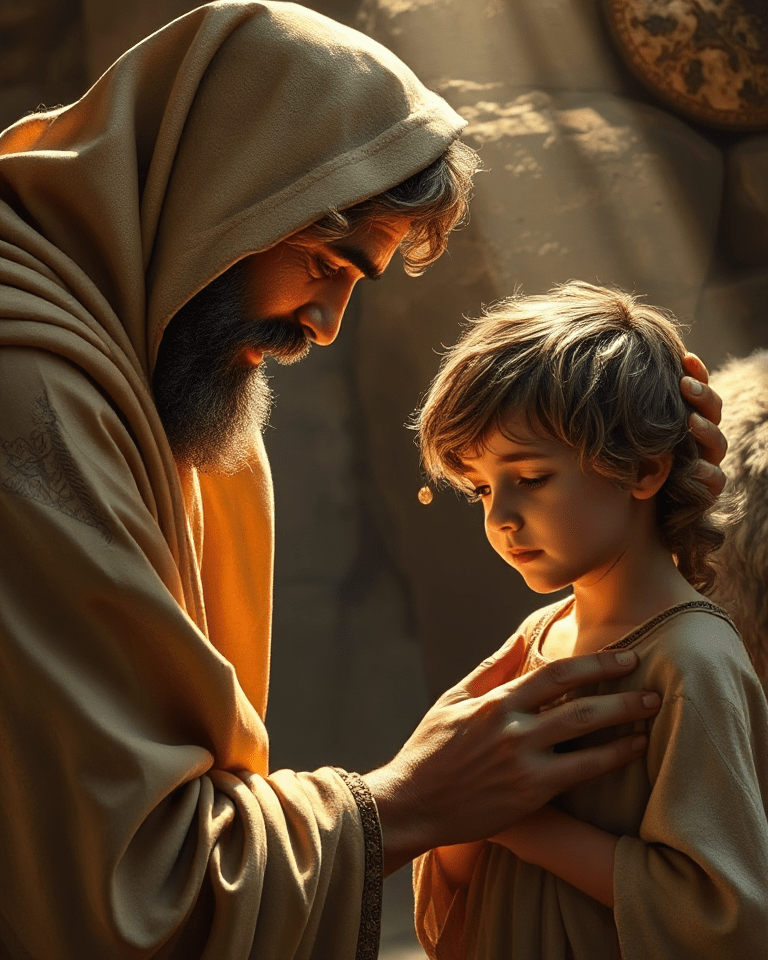
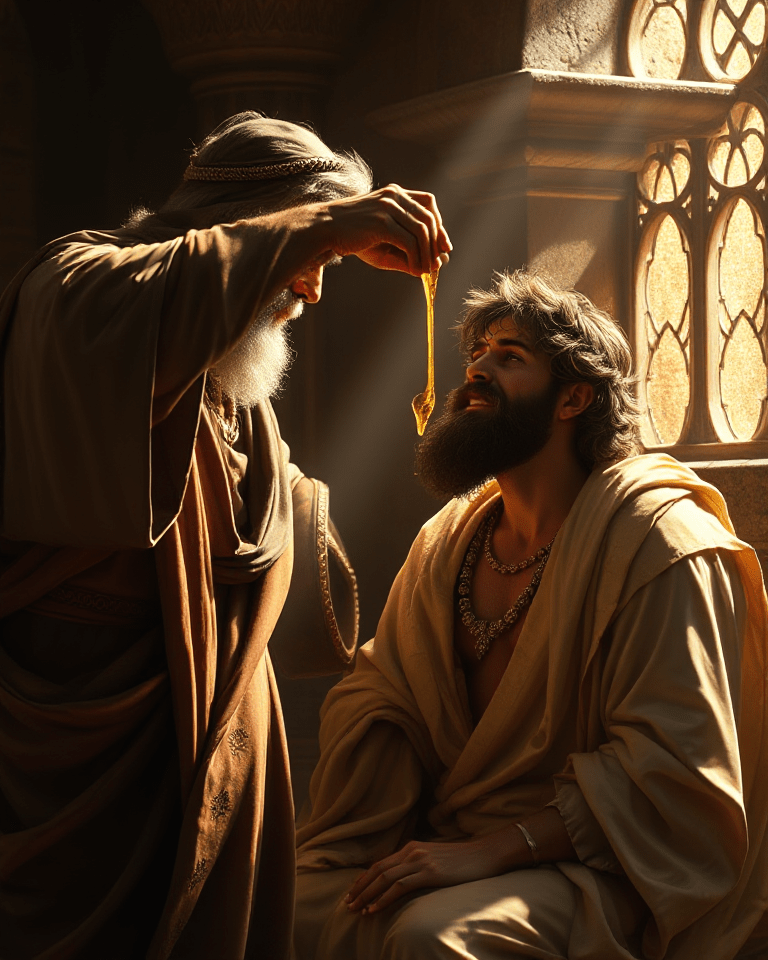
“I have found My servant David; With My holy oil I have anointed him. Psalm 89:20 NKJV David’s anointing as king 1 Samuel 16:1-13. The Lord tells the prophet Samuel that He has rejected Saul as king over Israel and instructs him to go to Jesse of Bethlehem to anoint a new king. David was selected, set apart, drawn to God. Scripture tells us that our Father looks at the heart rather than outward appearance. David is brought before Samuel and a horn of oil was used by Samuel to anoint David in the presence of his brothers. From that day forward, the SPIRIT of the LORD comes UPON DAVID. The LORD said to Samuel, “How long will you mourn for Saul, since I have rejected him as king over Israel? Fill your horn with oil and be on your way; I am sending you to Jesse of Bethlehem. I have chosen one of his sons to be king. You are to anoint for Me the one I indicate. Samuel did what the LORD said. When he arrived at Bethlehem, the elders of the town trembled when they met him. Samuel asked Jesse, “Are these all the sons you have?” “There is still the youngest,” Jesse answered. “He is tending the sheep.” Samuel said, “Send for him; David was glowing with health and had a fine appearance and handsome features. Then the LORD said, “Rise and anoint him; this is the one.” “From that day on the Spirit of the LORD came POWERFULLY UPON DAVID.’ How did all the prophets and the ordinary people of God like Abraham, Moses and others operate lest the Spirit of God come upon them? All Hebew chapter 11 saints were before Pentecost. Faith Heroes
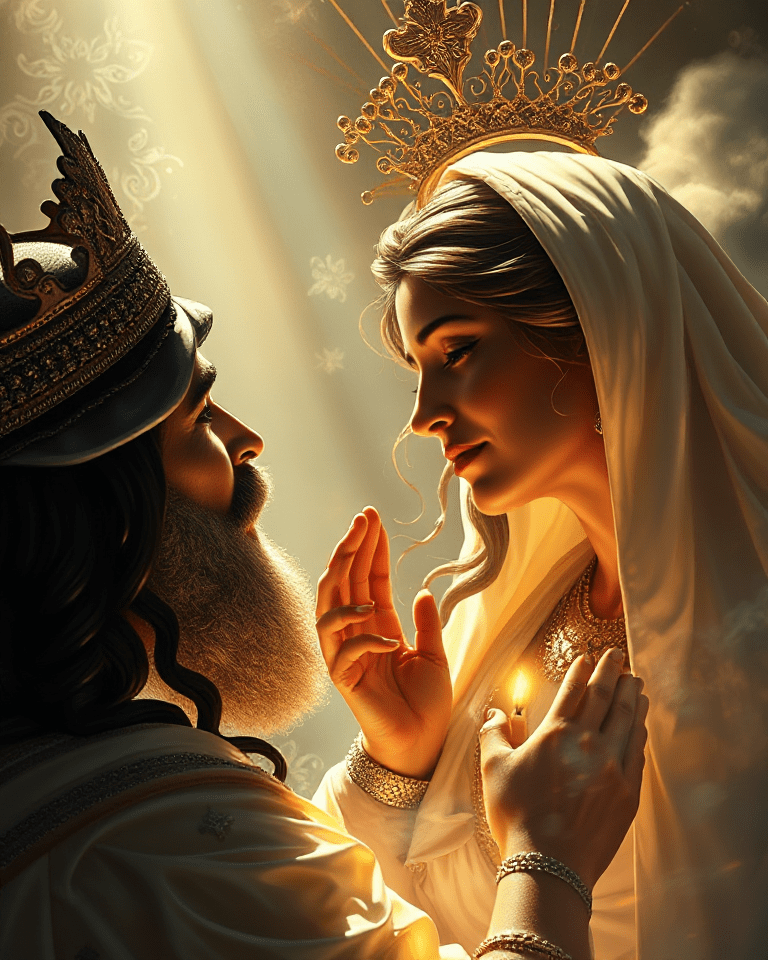
Abel, Enoch, Abraham, Sarah, Rahab, Esther, Joanna, Moses, Joshua. Hebrews 11:1 “Now FAITH is confidence in what we hope for and assurance about what we do not see. By FAITH we understand that the universe was formed at God’s command, so that what is seen was not made out of what was visible. By FAITH Abel brought God a better offering than Cain did. By FAITH he was commended as righteous, when God spoke well of his offerings. And by faith Abel still speaks, even though he is dead. By FAITH Enoch was taken from this life, so that he did not experience death: “He could not be found, because God had taken him away.” For before he was taken, he was commended as one who pleased God. WITHOUT FAITH it is IMPOSSIBLE to PLEASE GOD, because anyone who comes to HIM must believe that HE exists and that HE rewards those who earnestly seek HIM. By FAITH Noah, when warned about things not yet seen, in holy fear built an ark to save his family. By his faith he condemned the world and became heir of the righteousness that is in keeping with faith. By FAITH Abraham, when called to go to a place he would later receive as his inheritance, obeyed and went, even though he did not know where he was going. By FAITH even Sarah, who was past childbearing age, was enabled to bear children because she considered him faithful who had made the promise. All these people were still living by FAITH when they died. They did NOT receive the things promised; they only SAW them and WELCOMED them from a distance, admitting that they were foreigners and strangers on earth.”

John 7:37-39 features a profound declaration by Jesus during the Feast of Tabernacles, an important Jewish festival. In this passage, Jesus invites those who are thirsty to come to Him and drink, presenting Himself as the source of living water. John 7:37-39 (NIV): “On the last and greatest day of the festival, Jesus stood and said in a loud voice, ‘Let anyone who is thirsty come to Me and drink. Whoever believes in Me, as Scripture has said, rivers of living water will flow from within them.’ By this he meant the Spirit, whom those who believed in him were later to receive. Up to that time the Spirit had not been given, since Jesus had not yet been glorified.” Commentary:
1. The Feast of Tabernacles, or Sukkot, is a celebration of God’s provision and protection during the Israelites’ time in the wilderness. It involved rituals like water drawing from the Pool of Siloam and prayers for rain, which symbolized God’s sustenance and blessing. Jesus’ proclamation ties into these themes, presenting Himself as the ultimate source of Holy Spirit sustenance.
2. Jesus opens His invitation with a call to “anyone who is thirsty.” This symbolizes a deep spiritual thirst that exists within humanity. It speaks to our fundamental need for fulfillment, purpose, and connection with God. In this context, “thirst” is emblematic of the human condition—a longing for something beyond physical satisfaction.
3. The metaphor of “living water” implies something dynamic, life-giving, and refreshing. It signifies the Holy Spirit, indicating that those who believe in Jesus will experience an inner transformation and a continuous flow of spiritual vitality. This concept is significant in John’s Gospel, where the Holy Spirit is portrayed as an ongoing presence and source of guidance for believers.
4. The Coming of the Holy Spirit: John clarifies that Jesus was speaking about the Spirit, which would be given to believers after His glorification (referring to His death, resurrection, and ascension). This anticipation provides insight into the transformative power of the Holy Spirit in the life of a believer—empowering, teaching, and bringing to life the teachings of Christ.
5. Scriptural Fulfillment: Jesus’ statement that “rivers of living water will flow from within them” ties back to Old Testament scriptures, such as Isaiah 44:3 and Ezekiel 47, which describe God’s Spirit being poured out and leading to abundant life. This connection demonstrates how Jesus positions Himself as the fulfillment of these prophetic promises.
6. Interpretation and Application: For believers today, this passage challenges us to recognize our spiritual thirst and understand that true satisfaction comes from embracing Christ and His Spirit. The imagery of “rivers” suggests that believers are called to be channels of this living water—a communal aspect where the outpouring of the Spirit yields love, grace, and service to others.
In summary, John 7:37-39 is not only an invitation to experience the life-giving presence of the Holy Spirit but also a call to fulfill our spiritual longings through faith in Jesus Christ. It emphasizes the importance of the Holy Spirit in the believer’s life, highlighting how this divine presence empowers and transforms.
Acts 1:1-9 serves as an important passage in the New Testament that introduces key themes regarding the mission of the Church, the role of the Holy Spirit, and the anticipation of Christ’s return. In verse one, the continued work and teaching of Jesus after His resurrection, is stressed. The commentary on Acts 1:
Verses 4-5: Jesus instructs His disciples to wait for the promise of the Holy Spirit, reminding them of John the Baptist’s earlier baptism with water. This distinction between water baptism and baptism with the Holy Spirit underscores the power that the Holy Spirit baptism of fire has in the lives of believers. For 2026, this could resonate with modern believers as a call to dependency on God’s Spirit, especially in turbulent times when people of faith are called to renew their mind by listening to what the Holy Spirit is saying.
Verse 6: The disciples ask Jesus about the restoration of the kingdom to Israel, showcasing their expectations of a political and nationalistic redemption. However, Jesus redirects their focus away from temporal concerns to a broader mission: being witnesses to the ends of the earth. In 2026, as society grapples with complex social and political issues, this could encourage contemporary Christians to prioritize spiritual missions over political agendas, looking to the bigger picture of God’s kingdom.
Verse 8: Highlights the promise that the obedient believers will receive power when the Holy Spirit comes upon them. The growth of the Church by 3,000 is evidence of the spreading of the Gospel by the work of the Holy Spirit in the believers’ lives. In 2026, this verse reminds Christians who listen to the Holy Spirit despite societal struggles, that they have access to divine empowerment for evangelism and service. Reliance on the Holy Spirit as the source of strength.
Verse 9: The ascension of Jesus indicates that while He is physically absent, He is actively involved in the growth and mission of the Church through the Holy Spirit. This absence can be comforting for today’s believers, reminding them that the Holy Spirit is near and at work within them. For believers, this inspires hope and assurance as they navigate challenges in a rapidly changing world.
Relevant for 2026:
1. Empowerment through the Holy Spirit: In an era where individuals may feel overwhelmed by challenges—social, political, and personal—the call to wait and prepare for the Holy Spirit equips believers for effective ministry. Seek spiritual renewal with prayer and fasting.
2. Focus on Witnessing: As the Church faces issues of division and polarization, Acts 1:8 calls believers to focus on their role as witnesses to Christ. This remains critical in 2026, as Christians are called to engage in meaningful dialogues and demonstrate love and service in their communities, both in word and deed.
3. Living with Anticipation: The promise of Jesus’ return encourages believers to live with an eternal perspective, motivating them to act justly, love mercy, and walk humbly. The anticipation of Christ’s return can provide hope amidst despair, urging the Church to remain steadfast in His mission to use us for His glory.

John 20:22 states, “And when he had said this, he breathed on them and said to them, ‘Receive the Holy Spirit.’” This passage reflects a significant moment in the post-resurrection narrative of Jesus, highlighting both the intimate relationship between Jesus and His disciples and the essential role of the Holy Spirit in the life of the church. A Contextual Analysis:
1. Post-Resurrection Appearance: This event occurs after the resurrection of Jesus when He appears to His disciples. They are in a locked room, filled with fear after the crucifixion of Jesus. His greeting, “Peace be with you,” sets a comforting tone and reassures them of His presence.
2. Symbolism of Breathing: The act of Jesus breathing on His disciples echoes the creation account in Genesis 2:7, where God breathes life into Adam. This connection emphasizes the impartation of life and spiritual renewal. Just as God’s breath brought physical life in the creation story, Jesus’ breath signifies the impartation of the Holy Spirit. The theological Significance?
1. Impartation of the Holy Spirit: This moment can be seen as the initial impartation of the Holy Spirit to the disciples, giving them a foretaste of the empowerment they would receive at Pentecost. It signifies the commissioning of the disciples, preparing them for the mission ahead (John 20:21—”As the Father has sent me, I am sending you”).
2. Before Pentecost: While this event occurs prior to the Day of Pentecost (Acts 2), it suggests that the Holy Spirit’s work is not confined to a single moment in time or event. The disciples’ reception of the Holy Spirit in John 20:22 is seen by many scholars as a preliminary empowerment or commissioning that sets the stage for the fuller and more dynamic outpouring of the Spirit that occurs at Pentecost.
3. Role of the Holy Spirit: The Holy Spirit is integral to the life of believers and the church. The gift of the Spirit at this moment empowers the disciples to carry out their mission and provides them with guidance and strength. The role of the Holy Spirit as counselor, teacher, and comforter is encapsulated in the larger narrative of the New Testament.
Implications for Believers
1. Continuity of the Spirit: The event underscores the continuity of the Holy Spirit’s work from the life of Jesus to the early church and to contemporary believers. It serves as a reminder that the Spirit is present and active in the lives of believers, guiding and empowering them for service.
2. Mission-Oriented: Jesus’ act of breathing on His disciples and commanding them to receive the Holy Spirit emphasizes the mission-oriented nature of the Christian faith. The Spirit is given for the purpose of witnessing and spreading the Gospel.
Conclusion: John 20:22 is a profound moment of commissioning, empowerment, and continuity in the relationship between Jesus, the Holy Spirit, and the disciples. While the full manifestation of the Holy Spirit’s role is realized at Pentecost, this verse indicates that the presence and power of the Spirit was already beginning to work in the lives of the disciples. Therefore, this passage invites reflection on the ongoing role of the Holy Spirit in the life of the church and in the lives of individual believers today.
John 6:65 (ESV) “And He said, ‘This is why I told you that no one can come to Me unless it is granted him by the Father.’” Look up to Jesus and RECEIVE all of Who He is. King, High Priest, and Counselor. He chose us in Him before He formed us in our mothers womb. Our FAITH in He who dwells within us is tested daily. The divine initiative was His and ETERNITY is ours by God’s grace. Our personal relationship with Jesus, is possible by submission to the Holy Spirit. Our human ability is insufficient without God’s active involvement in our walk. “Look up; your Redeemer is returning soon!” Rejoice, expect His victorious glory!

“ETERNAL life which was with the Father and was MANIFESTED to US —and truly our FELLOWSHIP is with the Father and with His Son Jesus Christ. And these things we write to you that your JOY may be FULL.” 1 John 1:1-4 NKJV


 Living Abroad
Reading the Word of God with my church and Carol Foster in a year. Today:
Psalm 89:19-37
1 John 1:12-13
2 Chronicles 34:1-2,4
[1]Josiah was eight years old when he became king, and he reigned in Jerusalem thirty-one years.
[2]He did what was right in the eyes of the Lord and followed the ways of his father David, not turning aside to the right or to the left.
[4]Under his direction the altars of the Baals were torn down; he cut to pieces the incense altars that were above them, and smashed the Asherah poles and the idols. These he broke to pieces and scattered over the graves of those who had sacrificed to them.
LikeLike
Pingback: Rapture Gathering | Living Abroad
Pingback: Hear Him | Living Abroad