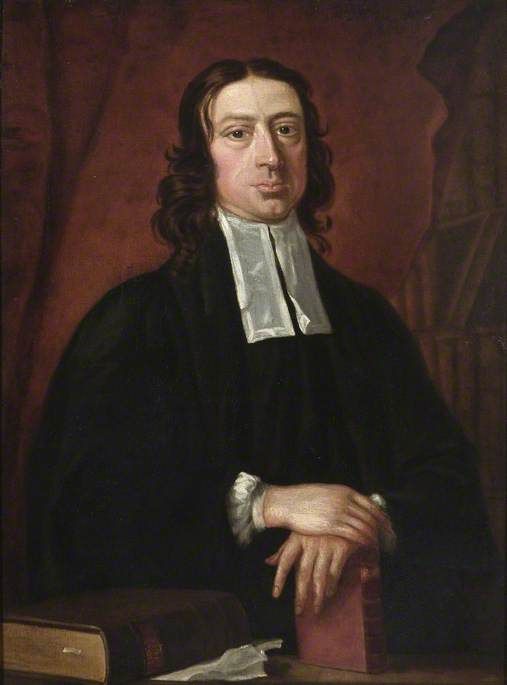
John Wesley (1703–1791) an English cleric and theologian born in Epworth, Lincolnshire. He was raised in a devout Anglican family; his father, Samuel Wesley, was a rector, and his mother, Susanna Wesley, had a significant influence on his spiritual development. John was educated at the University of Oxford, where he was a fellow of Lincoln College. During his time there, he and his brother Charles, along with other students, formed a group known as the “Holy Club,” which was dedicated to deepening their spiritual lives through prayer, study, and charitable deeds.
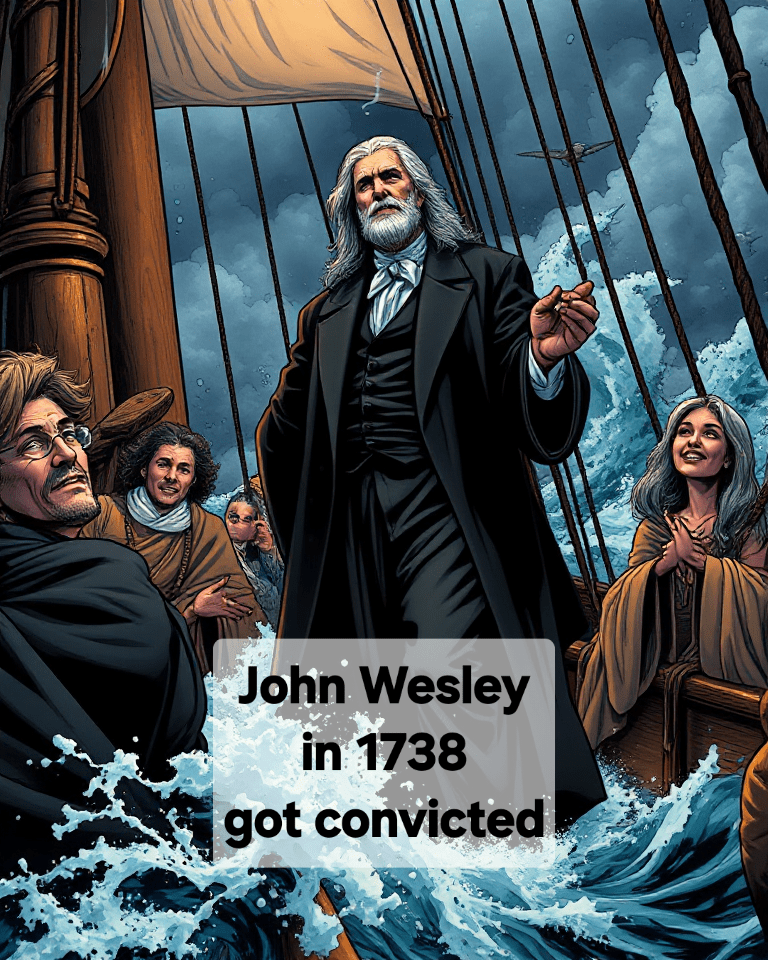
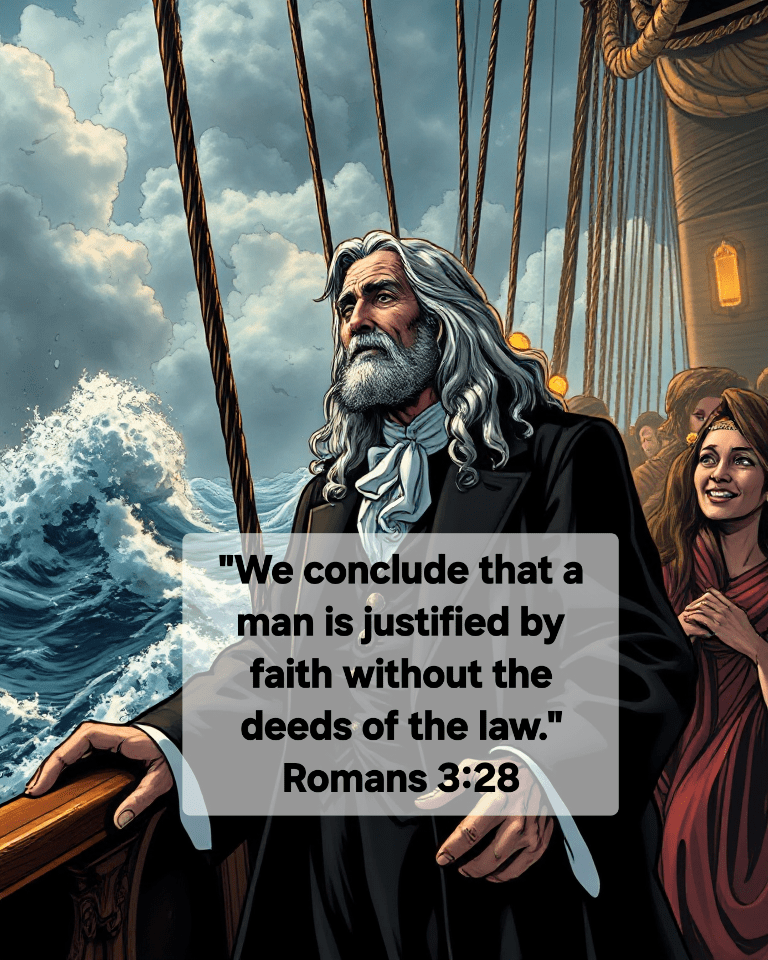
In 1735, Wesley traveled to the state of Georgia in the American colonies to serve as a missionary. However, a storm shook the boat full of devout pilgrims. John’s faith felt wanting as he witnessed the pilgrims peacefully singing hymns during the storm. The experience was used by God to stimulate faith beyond fear. John began to question who he had placed his faith in? He returned to England, where a pivotal encounter with Moravian Christians in 1738 led to his own spiritual awakening. His education to become a pastor did not satisfy the needs of his soul. He described his shift in faith as a ‘heartwarming’ moment during a meeting on Aldersgate Street in London. John was filled with the Holy Spirit which stirred his faith to preach faith and spread the gospel.
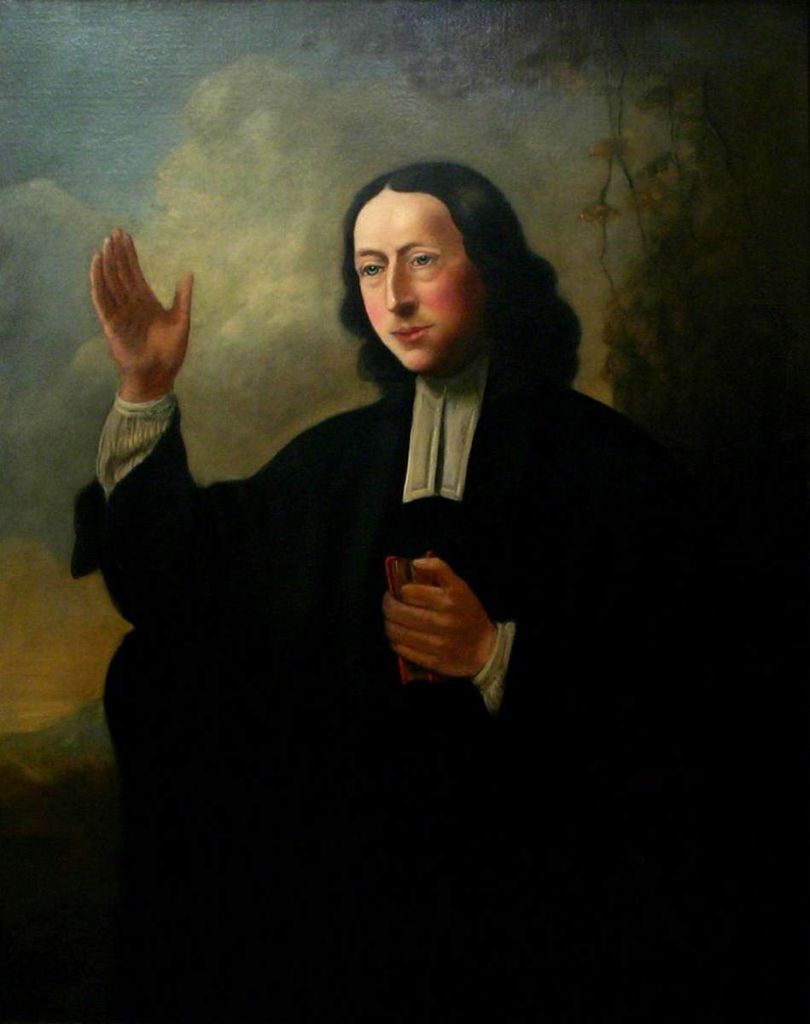
Wesley’s ministry focused on PRACTICAL HOLINESS and the EXPERIENCE of God’s GRACE, emphasizing the importance of personal faith and social justice. A YouTube documentary was done beautifully to clarify the difference between knowing the scriptures and knowing the Spirit who wrote them. John preached outdoors, which was unconventional at the time, and sought to reach the common people, rather than just the established church. His itinerant preaching and organization of small groups for prayer established a method to worship and serve God.
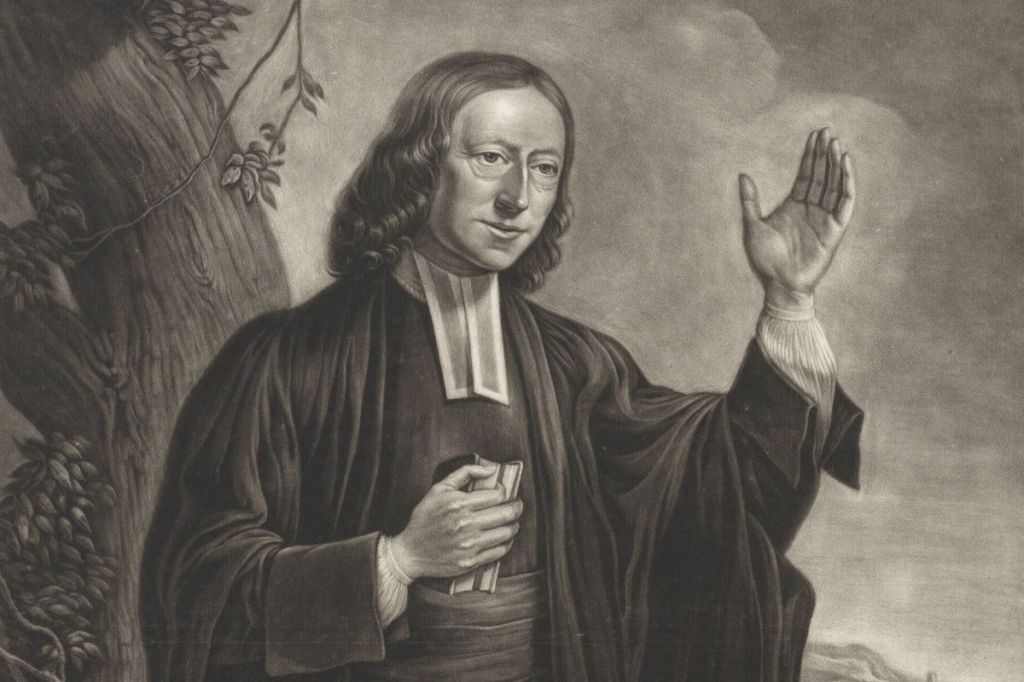
John Wesley’s theological perspectives emphasized grace, faith, and the possibility of perfection in love. He advocated for social reforms, including the abolition of slavery, better treatment for the poor, and improvements in education and healthcare. After his death, Wesley’s influence continued to grow, leading to the establishment of the Methodist Church, which became one of the largest and most significant Protestant denominations. His writings, sermons, and organizational methods spread Methodism in both England and, later, the United States, where it became a major movement in American Christianity.


Pingback: Just Passing Through | Living Abroad
Pingback: Shut up and Write | Living Abroad